Uvily Light
Uvily Light
Uvily Light
In the contemporary landscape of smart infrastructure, the photocell light sensor has transitioned from a simple dusk-to-dawn toggle to a sophisticated data node. For procurement officers and project engineers, understanding the "Top 10 Manufacturers" is not just about brand names; it's about identifying partners who provide Information Gain through technical innovation and reliability.
The global market for photocell sensors is currently driven by three macro-drivers: Sustainability (ESG), Smart City Initiatives, and the transition to NEMA/Zhaga standards. As energy costs fluctuate, the efficiency of a photocell’s spectral response determines the Levelized Cost of Energy (LCOE) for large-scale urban lighting projects.
Renowned for industrial-grade durability and high-voltage applications in North America.
A leader in thermal-type photocells with a robust history in utility-grade lighting controls.
Focuses on high-end architectural dimming and daylight harvesting precision sensors.
Setting the standard for electronic photocontrols with built-in surge protection.
A premier Chinese manufacturer offering full industrial chain integration and OEM/ODM expertise since 2009.
Pioneers in NEMA and Zhaga socket connectors and specialized sensor interfaces.
Specializes in smart photocells with integrated GPS and remote monitoring capabilities.
The go-to for commercial indoor/outdoor integration and energy-code compliance (Title 24).
Expertise in residential smart-home integrated photocells and occupancy sensors.
Global leader in European-engineered infrared and light-sensing hybrid technologies.
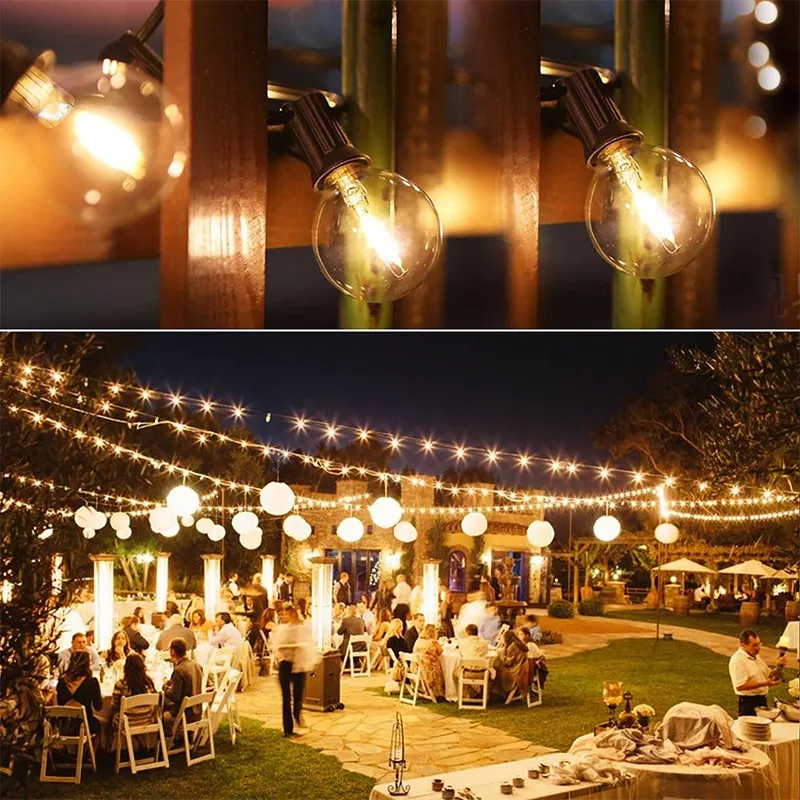
Established in 2009, Changzhou Uvily Light Co., Ltd. has evolved from an initial LED manufacturer into a comprehensive enterprise with a complete industrial chain. Our expertise spans R&D, design, mold manufacturing, and large-scale assembly.
Our philosophy, “Quality First, Customer-Oriented,” drives us to provide advanced technical solutions in the LED lighting industry. With a decade of technical expertise, we have optimized a product portfolio that competes on a global stage, ensuring high efficiency and market expansion.
Integration of Narrowband IoT (NB-IoT) into photocells for real-time fault detection and remote lux adjustment via cloud dashboards.
Sensors that distinguish between natural light and artificial glare using machine learning, preventing "false triggers" in dense urban areas.
Self-powered photocells utilizing micro-solar arrays and kinetic energy, eliminating the need for wiring in remote deployments.
For B2B buyers, reliability is non-negotiable. Uvily Light adheres to the most stringent international standards to guarantee safety and performance.
Our products carry UL, CE, cUL, RoHS, FCC, and EMC certifications, ensuring they are ready for the EU, North American, and Asian markets.
We implement a three-tier inspection system: Raw material vetting, real-time process monitoring, and 100% finished product burn-in testing.
Pre-sales market research and responsive after-sales feedback loops ensure that our global partners receive 24/7 technical assistance.
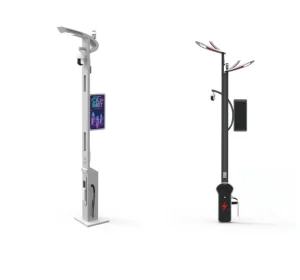
Deploying thousands of photocells requires centralized management. Our sensors integrate with smart poles to reduce municipal energy consumption by up to 40%.
Automation in warehouses using light-sensing allows for daylight harvesting, where artificial lights dim automatically as skylights provide natural illumination.
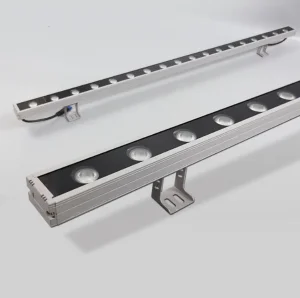
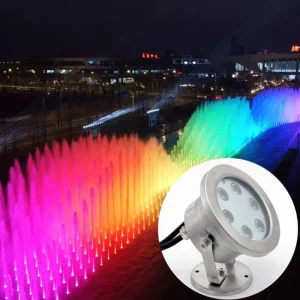
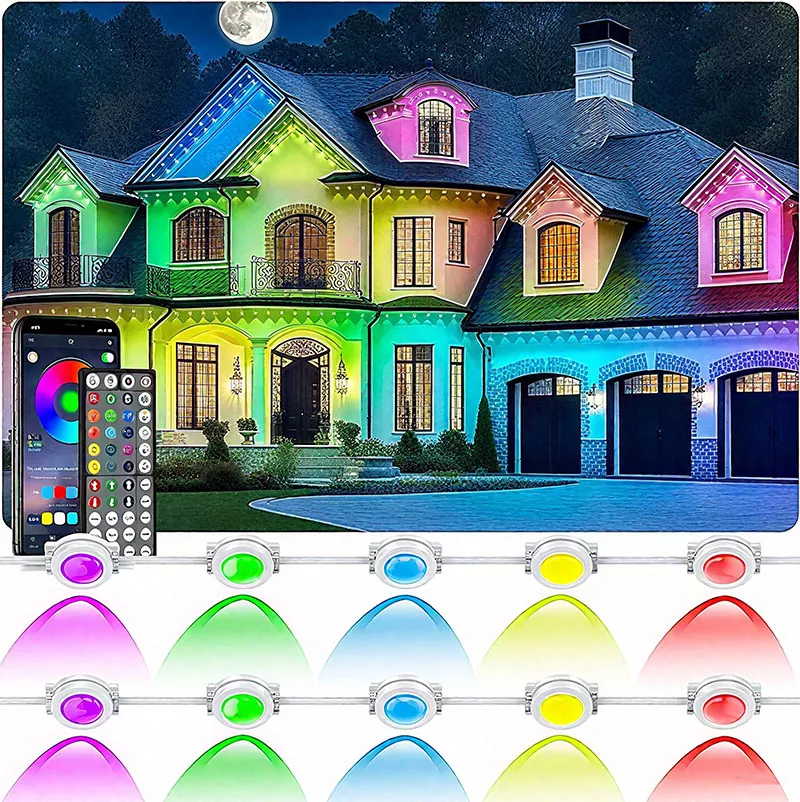
From jellyfish lights to LED pixel curtains, Uvily Light creates immersive atmospheres for commercial facades and landscape projects.
Thermal photocells use a bimetallic strip that heats up to open/close the circuit, offering a natural delay. Electronic photocells use phototransistors or ICs, providing faster response, higher precision, and longer lifespans.
Cycling occurs when the light from the lamp hits the sensor, causing it to turn off and then on again. Advanced manufacturers like Uvily include "Time Delay" logic or directional shields to prevent this interference.
Yes. Many older photocells fail when connected to LEDs due to high inrush current. Our modern electronic sensors are designed with heavy-duty relays to handle the capacitive loads of LED drivers.
Absolutely. Through our ODM services, we can calibrate the turn-on/turn-off LUX thresholds to meet specific regional environmental conditions or project requirements.
Connect with Changzhou Uvily Light Co., Ltd. for bespoke sensing solutions that define the future of illumination.