Top Reasons Outdoor Solar Lights Stop Working After a Year?

Time:2026-10-20 Author:Madeline
0%

Why do outdoor solar lights stop working after a year? The answer is rarely one dramatic failure. More often, several small weaknesses accumulate beneath the garden soil and winter weather.

Dr. James P. Dunlop, a photovoltaic systems specialist and author of Photovoltaic Systems, explains, “A solar system performs only as well as its weakest component.” That principle fits outdoor lighting closely. A cloudy panel, aging rechargeable battery, corroded contact, or cracked seal can quietly reduce performance. The light may still glow, but only for twenty minutes. Then it fades before midnight.

This guide examines the main reasons solar lights fail after twelve months. It looks at battery chemistry, panel contamination, moisture intrusion, temperature swings, and poor placement. Each issue leaves visible clues. A white battery crust may appear near the terminals. Tiny droplets may gather inside the lens. The panel can look clean from a distance while carrying a dull film of pollen and dust.

The expected lifespan also depends on product quality. Some low-cost lights use small batteries and thin plastic housings. They may work impressively during the first summer. That does not prove long-term durability. I have also seen homeowners blame the panel when the real problem was a worn battery.

The diagnosis is not always obvious. Sometimes, both parts are failing together. Understanding these details helps readers repair sensible faults, replace unsafe components, and choose better lights next time. A little skepticism helps. Even “weatherproof” does not mean permanently waterproof.
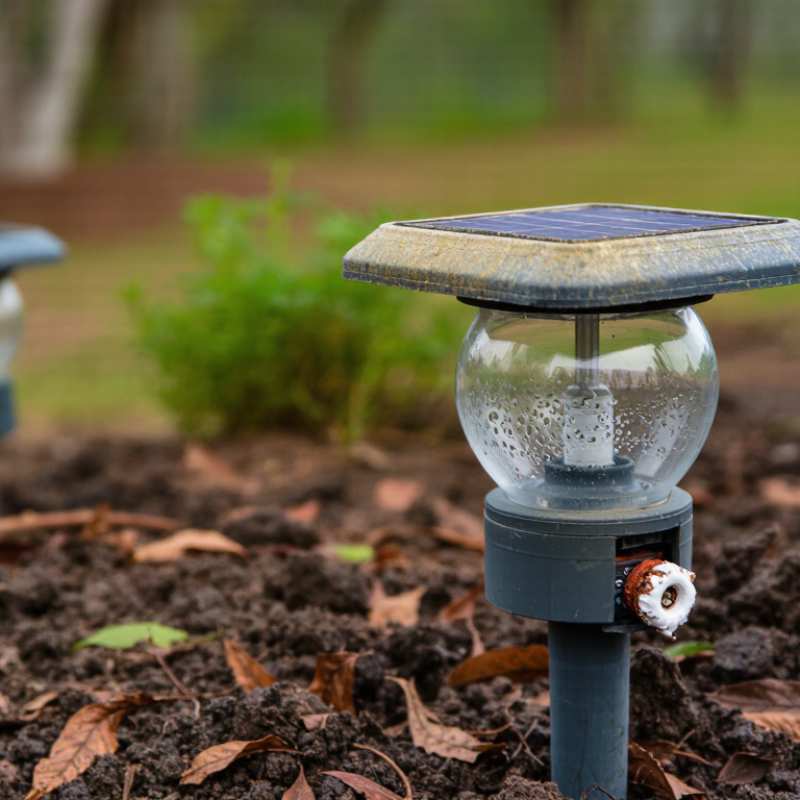
Top Reasons Outdoor Solar Lights Stop Working After a Year?

How Outdoor Solar Lights Work and Why Their Lifespan Matters

Outdoor solar lights convert sunlight into electricity through a small photovoltaic panel. During the day, the panel charges a rechargeable battery. At night, a light sensor activates the LED and releases stored energy. The system is simple, but every part affects its lifespan.

The U.S. Department of Energy reports that quality LED lighting can last 25,000 to 50,000 hours. The battery usually fails earlier. After repeated charging cycles, its capacity falls, so the lamp may fade before dawn.

NREL’s Photovoltaic Degradation Rates report found a median solar-panel degradation rate of about 0.5% annually. That decline is modest. Dirt, shade, moisture, and poor drainage often cause faster problems. I once blamed the panel, but the battery connector was corroded. Small details matter.

Tips:

  • Clean the panel monthly with a damp cloth.
  • Keep branches from casting afternoon shade.
  • Check for water inside the battery compartment.
  • Replace rechargeable batteries with the correct chemistry and size.
  • Do not judge performance after one cloudy evening.
  • However, a light that stays dim after several sunny days deserves inspection.
  • Some failures remain confusing, especially when the LED works briefly but the battery cannot hold energy.

Common Causes of Outdoor Solar Lights Failing After One Year

Top Reasons Outdoor Solar Lights Stop Working After a Year?

Outdoor solar lights often fail after one year because their rechargeable batteries age faster than expected. The panel may still look bright, yet the light runs for only two hours after sunset. The U.S. Department of Energy explains that rechargeable batteries lose capacity through repeated cycling and calendar aging. Heat accelerates that decline. A light placed against a warm wall can suffer more than one installed in open air. NiMH cells may also corrode when moisture enters a poorly sealed housing.

The solar panel is another common weakness. Dust, pollen, bird residue, and winter grime can reduce charging performance. NREL’s PV Lifetime Project reports median photovoltaic degradation near 0.5% per year, so normal panel aging rarely explains sudden failure. Poor orientation, nearby shade, or a cloudy installation site usually matters more. Even a small tree can block afternoon charging. I have seen lights work in summer, then fail after leaves covered the panel.

Water creates quieter damage. Condensation can reach the circuit board, causing rust around contacts and flickering LEDs. An IP rating helps, but it does not guarantee perfect protection after cracked seals or repeated freezing. The controller may also fail from unstable charging or cheap components. This part is easy to overlook. Clean the panel monthly, inspect seals, and replace the battery with the correct chemistry and capacity. Still, maintenance cannot rescue every design. Some units simply use undersized batteries.

Top Reasons Outdoor Solar Lights Stop Working After a Year? — Common Causes of Outdoor Solar Lights Failing After One Year

Common Cause Typical Symptoms After One Year Why It Happens Typical Impact Recommended Check or Fix Prevention
Rechargeable battery degradation The light is dim, runs for only a short time, or turns off soon after sunset. Rechargeable batteries lose usable capacity through repeated charge and discharge cycles. Heat, cold, and incomplete charging can accelerate capacity loss. High Remove the battery and check its type, voltage, corrosion, and physical condition. Replace it with a rechargeable battery of the same chemistry and voltage; do not use a standard disposable battery. Use the correct rechargeable battery, keep the housing dry, and avoid installing the light in locations exposed to excessive heat.
Dirty or shaded solar panel The light works after a sunny day but fails after cloudy weather or provides less illumination than before. Dust, pollen, bird residue, leaves, and nearby growth reduce the sunlight reaching the photovoltaic cells. Seasonal shading can also reduce charging time. High Clean the panel with a soft damp cloth and check it at different times of day for shade from trees, walls, fences, or buildings. Clean the panel several times a year and position it where it receives direct sunlight for most of the day.
Water ingress and condensation Intermittent operation, flickering, corrosion, cloudy lenses, or complete failure after rain. Seals, gaskets, or housing joints may deteriorate. Repeated temperature changes can create condensation inside the enclosure. High Inspect the battery compartment, panel connection, seals, and circuit board for moisture or corrosion. Dry the unit completely and replace damaged seals or the fixture when necessary. Install the light according to its intended outdoor rating, keep drainage openings clear, and avoid pressure-washing the fixture.
Corroded terminals or wiring The light works when moved or pressed, or it stops working despite a charged battery. Moisture and outdoor contaminants can oxidize battery contacts, connectors, solder joints, and thin wires. Medium to High Turn the light off, inspect the contacts, and remove light surface corrosion with an appropriate electrical-contact cleaning method. Replace badly corroded components. Keep the battery compartment sealed, prevent standing water, and inspect contacts during battery replacement.
Failed light sensor or control circuit The lamp stays on during daylight, does not switch on at night, or behaves inconsistently. The light sensor may be obstructed, contaminated, damaged, or affected by nearby artificial lighting. Moisture can also damage the control board. Medium Clean the sensor and test the unit in darkness. Move it away from porch lights, streetlights, and reflective surfaces. Replace the control module or fixture if testing confirms failure. Keep the sensor unobstructed and install the solar light away from other nighttime light sources.
LED or circuit-board failure The battery appears charged, but the lamp remains dark or only a few LEDs illuminate. LEDs generally last much longer than rechargeable batteries, but excess heat, moisture, voltage irregularities, and manufacturing defects can damage the LED assembly or driver circuit. Medium Check the battery, contacts, and switch first. If those components are functional, the LED board or control circuit may require replacement. Keep the light ventilated, dry, and within its specified operating conditions. Avoid modifying the wiring or battery system.
Switch left in the wrong position The light does not turn on automatically, although the panel and battery appear normal. Many solar lights require the power switch to remain in the ON position so the sensor and charging circuit can operate correctly. Low Locate the switch and set it to ON. Cover the panel or place the unit in darkness to test automatic operation. Confirm the switch position during installation and after cleaning or seasonal storage.
Insufficient sunlight or seasonal conditions Runtime decreases during winter, extended cloudy periods, or when the fixture is installed in a shaded area. Shorter daylight hours, low sun angles, cloud cover, snow, and shade reduce the energy available for charging. Medium Relocate the light to a sunnier position and remove snow, leaves, or other obstructions from the panel. Choose a location with strong year-round solar exposure and allow for seasonal changes in shade.
Physical damage or loose mounting The panel angle changes, the housing cracks, or the light stops working after wind, impact, or ground movement. Loose stakes, falling branches, animals, lawn equipment, and freeze–thaw movement can damage the panel, wiring, or enclosure. Medium Check the housing, stake, panel angle, and wiring. Tighten or replace damaged parts and ensure the panel faces the strongest available sunlight. Use a stable mounting point and position the fixture away from high-traffic areas, sprinklers, and branches.

Note: Actual service life varies with battery chemistry, charging conditions, weather exposure, installation quality, and product design. A battery-related problem is often the first component to check when an outdoor solar light becomes dim or stops operating after approximately one year.

How Weather, Dirt, and Physical Damage Affect Light Performance

Top Reasons Outdoor Solar Lights Stop Working After a Year?

Weather, dirt, and physical damage often reduce outdoor solar light performance before the panel actually fails. The IEA PVPS Task 13 report estimates global photovoltaic soiling losses near 3% to 4% annually, with much higher losses in dusty areas. A thin film of dust can look harmless. It is not. Bird droppings, pollen, and oily residue block sunlight and shorten daily charging time.

Moisture creates another problem. Repeated rain, freezing, and heat expansion can weaken seals around the battery compartment. Humidity may then corrode terminals and circuit contacts. The National Renewable Energy Laboratory reports typical photovoltaic module degradation near 0.5% per year. However, small light systems often suffer faster performance loss because their batteries, seals, and wiring are less protected. Physical impact matters too. A dropped fixture may develop a hidden crack, while a bent panel receives less direct sunlight.

Tips: Clean the panel monthly with a soft, damp cloth. Avoid abrasive cleaners. Check for standing water, loose covers, and green corrosion. Replace weak rechargeable batteries with the correct type and capacity. Keep panels away from heavy shade. I have seen maintenance skipped after installation, then blamed the weather. That assumption deserves reconsideration. Inspect the light after severe storms, especially where hail, salt air, or strong wind is common.

Step-by-Step Checks for Diagnosing a Nonworking Solar Light

Top Reasons Outdoor Solar Lights Stop Working After a Year

A solar light that worked last summer may fail because its rechargeable battery has lost capacity. Start by switching the light off, then place it in direct sunlight for a full day. Clean the panel with a damp, soft cloth. Dust, pollen, and bird marks can reduce charging noticeably. Check the underside switch too. It may be set to “off” after storage.

At dusk, inspect the light closely. Remove the battery cover and look for rust, white residue, or loose contacts. Corrosion can interrupt a small circuit. Test the battery with a compatible replacement, not a standard disposable cell. Also examine the wiring for cracks, especially near the panel and lamp head. If the light flickers, gently move each connection. A weak joint may reveal itself. Do not force it.

Tips: Keep the panel away from shade. Wipe it monthly. Let the battery charge for two sunny days before judging the repair. In my experience, replacing the battery solves many failures, but not all. I once blamed a dead battery when a nearby wall blocked afternoon sunlight. That mistake was useful. If the panel stays cool, clean, and fully exposed, yet the lamp remains dark, the internal control board may have failed. At that point, repeated opening can cause more damage.

Ways to Extend the Service Life of Outdoor Solar Lights

Outdoor solar lights often fail because their batteries age before their LEDs do. The U.S. Department of Energy reports that quality LED packages can last 25,000 to 50,000 hours, yet small rechargeable batteries face repeated charging, heat, and deep discharge. A dim light after one year may need a battery, not a new fixture.

Clean the solar panel every month with a soft, damp cloth. Dust, pollen, and bird marks can reduce charging time, especially on shaded paths.

Check the panel at midday. It should receive direct sunlight, not only bright sky.

The IEA PVPS Task 13 reports that photovoltaic modules commonly degrade around 0.3% to 0.5% annually, so dirt and shade usually create a bigger short-term loss than normal panel aging.

Replace batteries with the same chemistry, voltage, and physical size. Do not mix old and new cells.

Before replacement, inspect corrosion, loose wires, and cracked seals. Water inside the housing is a quiet killer.

Mount lights away from sprinklers, and keep drainage openings clear. In cold climates, store removable batteries indoors during long winter periods.

I have sometimes blamed the panel too quickly; a weak battery or poor switch contact was the real fault. That small mistake matters.

U.S. DOE solid-state lighting guidance also stresses thermal management, so avoid enclosing lights where heat cannot escape.

Five minutes of maintenance can protect years of service.

FAQS

How do outdoor solar lights work?

A photovoltaic panel collects sunlight during the day. The rechargeable battery stores that energy. At night, a sensor activates the LED.

Why does a solar light become dim after one year?

Start with the battery. Repeated charging cycles reduce its capacity over time. The lamp may run for only two hours after sunset.

Can a dirty panel cause sudden failure?

Yes. Dust, pollen, bird residue, and winter grime reduce charging. Clean the panel monthly with a damp, soft cloth. Small details matter.

How should I check a light that stays dark?

Switch it off before placing it in direct sunlight. Clean the panel and charge it for one full day. Check the underside switch afterward.

What signs suggest battery or contact damage?

Look for rust, white residue, loose contacts, or water inside the compartment. Corrosion can interrupt the small circuit. A compatible replacement battery can confirm the problem.

Can shade affect outdoor solar light performance?

Yes. Nearby branches, walls, and leaves can block afternoon sunlight. Even a small tree may reduce charging. I once blamed the panel.

How does moisture damage a solar light?

Condensation can rust contacts and damage the control board. Inspect seals and look for cracks after freezing weather. Water damage is often quiet.

When should I suspect the internal control board?

Let the light charge through two sunny days first. If it remains dark with a clean, exposed panel, the board may have failed. Do not force it.

Conclusion

Outdoor solar lights rely on a solar panel to collect energy during the day, a rechargeable battery to store it, and a sensor and LED to provide light at night. When asking, “why do outdoor solar lights stop working after a year,” the most common answers include battery aging, reduced sunlight, dirty panels, loose connections, moisture, and physical damage. After months of exposure, weather and debris can lower charging efficiency, while extreme temperatures may weaken the battery and shorten its useful life.

To diagnose a failed light, clean the panel, place it in direct sunlight, check whether the switch is on, and inspect the battery compartment, wiring, and LED for corrosion or damage. Testing the light in darkness can also reveal whether the sensor is functioning. Regular cleaning, proper placement, protection from standing water, and timely battery replacement can significantly extend service life. Choosing durable materials and bringing vulnerable lights indoors during severe weather can further improve reliability.

Madeline

Madeline

Madeline is a dedicated marketing professional with a wealth of expertise in our company's core offerings. With a keen understanding of the industry, she brings a unique perspective to her role, consistently delivering high-quality content that highlights the superior aspects of our products. As......