Uvily Light
Commercial LED lighting often looks overpriced beside ordinary bulbs. The comparison is rarely fair. A commercial fixture must illuminate warehouses, offices, retail floors, and outdoor areas for thousands of hours. It also needs reliable heat control, stronger housing, better optics, and stable electrical performance. That is why buyers often ask, “why are commercial led lights so expensive?”
The price begins with engineering. High-quality LEDs use carefully selected chips, drivers, lenses, and thermal materials. A metal heat sink may sit behind the fixture, quietly protecting its components from excessive heat. Better drivers reduce flicker, manage voltage changes, and support consistent brightness. Many products also include safety testing, ingress protection, emergency functions, or dimming controls. These details are easy to overlook because they remain hidden after installation.
Installation and ownership costs matter too. A cheap light may fail early, produce uneven brightness, or require frequent replacement. A dependable commercial system can reduce maintenance visits and downtime. However, expensive does not always mean suitable. I have seen projects pay for advanced controls that were never used. That was not smart spending. Specifications, warranty terms, energy use, and application requirements deserve careful comparison. Independent certifications and documented testing provide stronger evidence than impressive sales language. The right question is not simply whether a fixture costs more. It is whether its performance, service life, safety, and installation value justify the investment. Sometimes the answer is no.
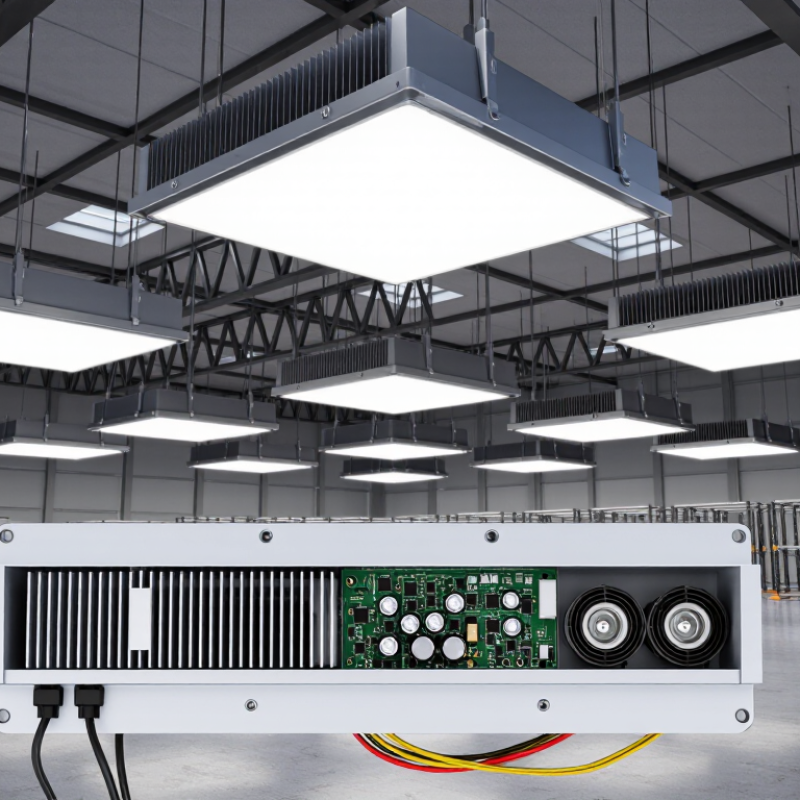
Commercial LED lighting is more than a group of bright lamps. It is a planned system designed for a specific workplace, operating schedule, and maintenance budget. A warehouse may need wide, even illumination, while a retail space may require controlled beams for displays. The ceiling height matters. So does dust, heat, moisture, and moving equipment.
A professional system begins with a site assessment. Designers measure room dimensions, surface colors, mounting positions, and existing electrical conditions. They then select fixtures by lumen output, beam angle, color temperature, glare control, and color rendering. Controls also define the system. Occupancy sensors, daylight dimming, and scheduled operation can reduce wasted energy. In offices, poor glare control may cause eye strain, even when measured brightness looks acceptable. That detail is often missed.
Reliability depends on more than LED chips. Heat management, driver quality, wiring, emergency functions, and enclosure protection all affect service life. Local electrical and building codes must guide installation. A qualified professional should verify load calculations and safety requirements. My early cost estimates often focused too heavily on fixture prices. That was incomplete. A cheaper unit can create higher labor, replacement, or downtime costs later. Commercial lighting is therefore defined by how its parts work together, not by brightness alone. Yet real buildings rarely behave perfectly. Dust gathers, layouts change, and controls sometimes need adjustment after installation.
Commercial LED lights look simple from below, but their costs come from several engineered layers. The LED module is only one part. The driver converts building power into stable current, while capacitors, surge protection, and dimming circuits affect reliability. The U.S. Department of Energy’s 2023 Solid-State Lighting R&D Opportunities report identifies drivers, thermal management, optics, and materials as continuing development priorities.
Heat is expensive. A commercial fixture may use an aluminum heat sink, internal fins, thermal interface materials, and carefully spaced components. Excess heat can reduce light output and shorten service life. DOE research commonly links improved thermal design with higher efficacy and longer product performance. A brighter fixture is not automatically better.
Optics also influence the bill. Lenses, reflectors, and diffusers control glare and place light on work surfaces. The DesignLights Consortium’s technical requirements emphasize tested performance, including efficacy, color quality, and lumen maintenance. Testing adds labor, equipment, and documentation costs. It is easy to overlook those expenses.
Installation hardware matters too. A sealed housing may need gaskets, corrosion-resistant coatings, emergency options, and stronger mounting brackets. These details become important in warehouses, parking areas, and damp industrial spaces. I have seen inexpensive fixtures fail because the driver overheated before the LEDs did. That weakens a simple price comparison. The cheapest component mix is rarely the cheapest operating decision.
Commercial LED fixtures cost more when they must meet demanding performance standards, not simply produce light. A warehouse high-bay may need verified lumen output, consistent color, and low flicker through long operating hours. Meeting those targets can require better LED boards, stable drivers, and heat sinks that keep temperatures controlled. In a hot ceiling, weak thermal design can shorten useful life. Better materials and engineering raise the purchase price. That costs money.
Testing adds another layer. Manufacturers may measure light output, color shift, electrical behavior, and performance under heat before rating a fixture. A commercial project may also specify ingress protection for dusty or damp areas, or documented safety testing. These checks require equipment, staff time, and repeatable production controls. It adds up.
The higher specification is not automatically the best choice for every room. A back corridor may not need the same color accuracy or output consistency as a retail display. Compare the specification sheet with the space: required illuminance, ceiling height, ambient temperature, dimming needs, and expected daily run time. Buyers often focus on wattage alone; it is an easy shortcut, but it can miss glare, flicker, or maintenance costs. Paying for measurable performance can make sense, though some specifications deserve a closer look.
| Cost driver | Typical performance or requirement | Why it can increase the initial price | Indicative upfront-cost effect |
|---|---|---|---|
| Independent safety listing | Evaluation to applicable electrical-safety requirements by a recognized testing organization; requirements depend on product type and installation. | Testing, documentation, factory follow-up, and compliant components add costs. A safety listing is distinct from an energy-efficiency qualification. | Moderate |
| Energy-efficiency qualification | Verified efficacy and other product-specific performance criteria; qualifying requirements vary by product category and program version. | Higher-performing LED packages, drivers, optics, and thermal designs may be needed. Qualification testing and application costs can also contribute. Qualification does not itself set a product’s price. | Moderate to high |
| Higher luminous efficacy | More delivered lumens per watt, measured for the complete luminaire rather than only the LED package. | Efficient LEDs, well-matched drivers, and optical designs can reduce energy use, but the components and engineering needed to maintain output and reliability may cost more. | Moderate |
| Color quality and consistency | Specified color rendering, color temperature, and tighter color consistency between units. | More selective LED sorting, additional quality control, and tighter manufacturing tolerances can raise production costs. | Low to moderate |
| Dimming and control compatibility | Reliable dimming across a stated range and compatibility with specified control protocols or sensors. | Additional electronics, software development, interoperability testing, and commissioning support can increase both product and project costs. | Moderate to high |
| Thermal management and durability | Design intended to manage heat and maintain performance over the stated operating conditions and service life. | Heat sinks, robust housings, better drivers, and longer-duration reliability testing add material and development costs. Rated life is not a guarantee that every unit will last exactly that long. | Moderate |
| Special operating conditions | Options such as wet-location suitability, corrosion resistance, impact protection, or emergency operation, where the application requires them. | Sealed enclosures, protective finishes, reinforced construction, and backup components require extra materials and testing. | Moderate to high |
| Warranty and quality assurance | A stated warranty supported by product testing, production checks, and a process for handling failures. | Manufacturers may account for expected service, replacement, and quality-control costs in the purchase price. Warranty length alone does not establish product performance. | Low to moderate |
Cost effects are comparative, not fixed premiums. Actual prices vary with luminaire type, output, order quantity, controls, installation requirements, and market conditions. Compare products with the same output, distribution, color quality, certifications, controls, and warranty before judging price.
How to Understand Why Commercial LED Lights Are Expensive
Commercial LED lights often look expensive before they are switched on. The fixture is only one line on the quotation. Labor, lifts, rewiring, controls, permits, and night work can change the total quickly. In occupied warehouses, installers may work above inventory, slowly and carefully. That time is a real cost. The U.S. Department of Energy’s 2019 Energy Savings Forecast estimated that solid-state lighting could save 6.2 quadrillion British thermal units between 2015 and 2035. Those savings depend on correct installation, not just efficient lamps.
Reliability also carries an installation price. A cheap driver can become an expensive failure above a twelve-meter ceiling. LM-80 testing measures lumen maintenance, while TM-21 projects long-term performance. Neither standard guarantees perfect field reliability. DOE Energy Saver reports that LEDs can use at least 75% less energy and last up to 25 times longer than incandescent lighting. That comparison helps, but commercial projects need better evidence. Ask for rated life, driver data, thermal details, warranty terms, and replacement access.
The uncomfortable part is that payback models can look precise. Site conditions remain messy. Poorly commissioned controls may leave lights running during empty hours. Excessive brightness can increase energy use and weaken the business case. Experienced contractors should measure existing loads, map circuits, and price access before promising savings. A high invoice becomes easier to defend when every labor hour and reliability decision is visible. Even then, estimates can be wrong. That deserves honest review.
A commercial LED retrofit costs more than the lamp itself. Installation access, electrical labor, controls, commissioning, and reliability provisions can represent a substantial share of the project budget.
Representative commercial retrofit planning values are shown in USD per fixture. Difficult ceiling access and higher reliability requirements increase upfront expenses, but they can reduce maintenance visits and replacement costs over the lighting system’s service life.
Commercial LED lights often cost more at purchase because their value extends beyond the fixture. A serious evaluation should include energy use, installation, controls, maintenance, and expected service life. In facility audits, I compare current wattage with the proposed system, then estimate annual operating hours. A warehouse running 4,000 hours yearly can reveal substantial savings, especially when occupancy sensors reduce unnecessary lighting.
Do not trust rated life alone. Ask how the fixture performs at high temperatures, since heat can shorten component life. Check lumen maintenance data, driver quality, warranty coverage, and replacement procedures. A low-priced fixture may require frequent labor, lifts, or inventory storage. Those expenses quietly change the calculation. The calculation is not always clean. Utility prices may rise, but savings may also disappoint when lights operate less often than expected. Use real bills and measured operating schedules whenever possible.
Tips: Measure before buying. Request test reports from independent laboratories. Compare total cost over five to ten years, not just the invoice. Include disposal, controls, cleaning, and electrician time. Test a small area first. Observe glare, shadows, color consistency, and worker comfort. A brighter room is not automatically a better room. If the payback depends on perfect sensor performance, the plan may be too optimistic. Review the figures with a qualified lighting professional and keep the assumptions visible.
The LED module is only one part. Drivers, capacitors, surge protection, and dimming circuits also affect price and reliability.
Heat sinks, internal fins, and thermal materials help control heat. Poor cooling can reduce light output and shorten component life. Heat matters.
Lenses, reflectors, and diffusers shape light and reduce glare. Better control can help direct light onto desks or warehouse floors.
Testing checks output, color, electrical behavior, and heat performance. It takes staff time, equipment, and documentation. It adds up.
No. A back corridor may need less color accuracy than a retail display. Match the specification to the room and its use.
Check illuminance, ceiling height, glare, flicker, dimming needs, and operating hours. Wattage alone misses important details.
Compare energy use, installation, controls, maintenance, and replacement costs over five to ten years. Use actual utility bills and measured operating hours.
Frequent repairs may require electrician time, lifts, and spare inventory. Ask about driver quality, heat performance, warranty coverage, and replacement procedures.
Install a small trial area. Observe glare, shadows, color consistency, and worker comfort. A brighter room is not always better.
Be careful if savings depend on sensors working perfectly or lights running many hours. Assumptions can be wrong; review them with a qualified lighting professional.
Commercial LED lighting systems are designed for demanding spaces such as warehouses, offices, and retail facilities, where consistent illumination, durability, and efficient operation matter. Understanding why are commercial led lights so expensive starts with the components behind them: high-quality LED chips, drivers, heat-management systems, optical lenses, and sturdy housings. Their costs can also rise when products are built to meet stricter performance standards for brightness, color consistency, energy efficiency, and dependable operation.
The purchase price is only one part of the total expense. Installation may require specialized labor, compatible controls, or adjustments to existing electrical systems, while reliable construction can help reduce maintenance and replacement needs over time. To evaluate long-term value, compare expected energy use, service life, light quality, maintenance requirements, and installation costs—not just the initial price. A well-matched system may cost more upfront but deliver more dependable performance and lower operating expenses throughout its useful life.
