2026 How to Understand the Difference Between Spot and Wash Lighting?

Time:2026-05-22 Author:Liam
0%

Understanding lighting is crucial in various fields, especially in design and photography. Many people often ask, "what is the difference between spot and wash lighting?" According to lighting expert Sarah Thompson, "Spot lighting focuses on highlighting specific areas, while wash lighting provides a broader illumination." This distinction shapes how we use lighting creatively.

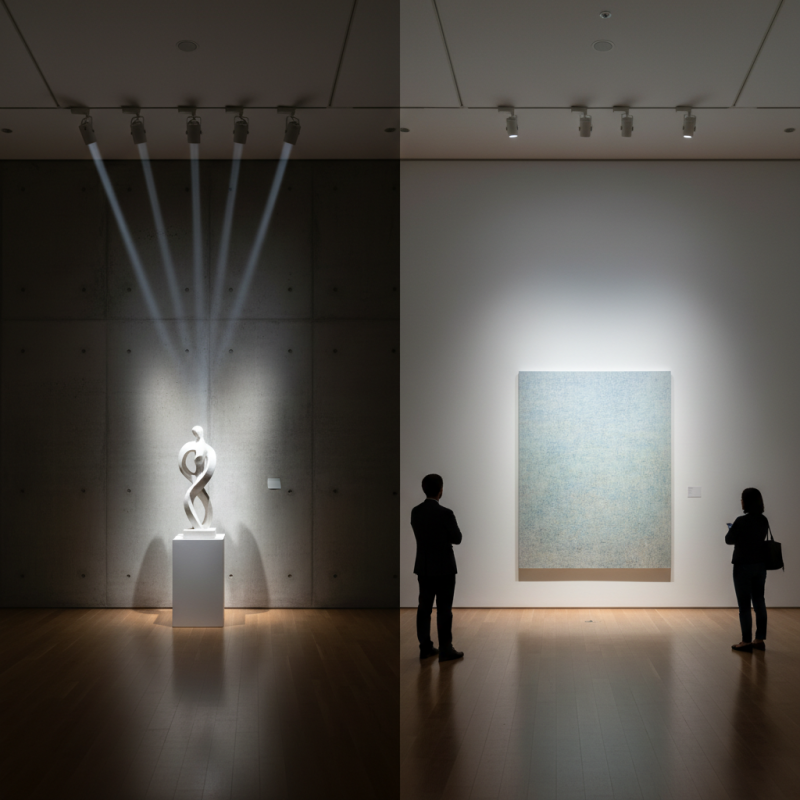
Spot lights produce a narrow beam. They draw attention to a subject, like a sculpture or a person. Wash lights, however, spread light across a larger area. They create an ambient effect, softening harsh shadows. The choice between these two types can define the mood of a space.

When using these lighting techniques, it’s essential to reflect on their applications. Misusing spot and wash lighting can lead to unintended visual clutter. Finding the right balance is key to effective design. Understanding the nuances of "what is the difference between spot and wash lighting" is part of mastering the art.
2026 How to Understand the Difference Between Spot and Wash Lighting?

Understanding the Basic Concepts of Spot and Wash Lighting

Spot lighting and wash lighting serve different purposes in both functional and artistic applications. Spot lights create focused beams of light. They highlight specific areas or objects. This makes them ideal for creating dramatic effects in theater or exhibits. A spotlight can draw attention to a painting or a model, directing the audience’s gaze right where you want it.

Wash lighting, on the other hand, spreads light evenly over a larger area. It is used to create a general wash of illumination. This is perfect for filling a space with a gentle glow. It can soften shadows and enhance overall ambiance. However, this type can sometimes lack the excitement that focused beams provide. The balance between both types of lighting is key. Too much wash lighting can make a space feel flat, while excessive spot lighting might create harsh contrasts.

Understanding these differences enhances your design choices. In practice, experimenting with both types can yield surprising results. You might want to start small. Adjust light fixtures and watch how spaces transform. Sometimes, less is more. Finding the right mix is often a creative process that invites reflection and reevaluation.

Key Differences Between Spot Lighting and Wash Lighting Techniques

Spot lighting and wash lighting serve distinct purposes in the world of design and photography. Spot lighting creates focused beams on specific objects. It highlights details and adds depth. This technique is ideal for paintings or sculptures. A well-placed spotlight draws eyes directly to the subject, making it vibrant.

In contrast, wash lighting provides a broad illumination. It covers larger areas, creating a soft and even light. This is great for walls or entire rooms. Wash light sets a mood without emphasizing specific details. It can create a calming atmosphere, enhancing the overall ambiance.

Understanding these differences can refine your approach to lighting. Choosing the wrong technique might lead to unwanted contrasts. A spotlight in a wash setting can feel harsh. Meanwhile, using wash light where detail is crucial can wash out important features. Awareness of each method's strengths and limitations shapes your effectiveness.

2026 How to Understand the Difference Between Spot and Wash Lighting?

Aspect Spot Lighting Wash Lighting
Definition Concentrated light focused on a specific area or object. Broad, diffused light that covers a wide area.
Purpose Highlighting details, features, or specific objects. Creating ambient light and reducing shadows.
Light Beam Narrow beam, focused. Wide beam, diffused.
Common Usage Art galleries, accentuating architecture, spotlighting. Theaters, general illumination, washing walls.
Control Can be adjustable to focus on specific spots. Less controllable, generally set to cover large areas.

Application Areas: Where to Use Spot Lighting vs. Wash Lighting

When considering lighting for your space, understanding the application areas of spot and wash lighting is essential. Spot lighting focuses on a specific area, providing intense illumination. It is perfect for highlighting art pieces, creating focal points in room designs, or accentuating architectural features. Use it in galleries and museums or to draw attention to specific areas in a retail setting.

In contrast, wash lighting casts a broader glow, illuminating larger areas evenly. This type of lighting works well for general ambiance. Consider it in open spaces like lobbies, banquet halls, or as backdrop lighting for important events. It fosters a welcoming atmosphere, making spaces feel larger and more inviting.

Tips:
For spot lighting, ensure proper angle placement. This maximizes visibility without causing harsh shadows. In wash lighting, choose fixtures that provide even distribution to avoid dark patches. Evaluate your room's layout. Sometimes a mix of both types can create harmony and visual interest in the space. Reflect on which style best serves your needs.

Technical Specifications: Beam Angles and Light Output Data

When discussing lighting, understanding beam angles and light output data is crucial. Spot and wash lighting serve different purposes, and technical specifications highlight their distinctions. In general, spot lights possess narrow beam angles around 10 to 30 degrees. This gives a focused illumination, perfect for highlighting features or creating dramatic effects. Typically, their light output ranges from 800 to 3000 lumens, depending on the wattage and efficiency.

Wash lights, on the other hand, feature wider beam angles of 30 to 60 degrees or more. They spread light over a larger area, making them ideal for general illumination. The lumen output can vary widely, often between 1000 to 5000 lumens, to achieve the desired brightness level. Choosing the right light based on beam angle and output data is essential for effective lighting design.

Tips: Consider the venue's size and layout. A tighter beam is perfect for intimate spaces. However, wide beams suit larger areas. Measure the distance from the light source to the illuminated surface. This measurement helps determine the effectiveness of both spot and wash lighting. Keep in mind that real-world performance may differ from specifications, reflecting a need for practical testing.

Understanding the Difference Between Spot and Wash Lighting

Impact of Spot and Wash Lighting on Mood and Ambiance in Spaces

Lighting plays a crucial role in shaping the ambiance of a space. Spot lighting focuses on specific areas, creating highlights that draw attention. In contrast, wash lighting spreads light evenly across a broader area. Studies show that nearly 65% of individuals report feeling more relaxed in spaces with balanced lighting. The choice between spot and wash lighting significantly influences mood.

The impact of these lighting types extends beyond aesthetics. Research indicates that well-distributed wash lighting can reduce stress levels by approximately 30%. Conversely, strategic spot lighting can enhance focus and productivity, particularly in work environments. Yet, using only one type may lead to an unbalanced atmosphere. Mixing lighting styles is often necessary for achieving the desired mood.

It's essential to reflect on the role of lighting in our daily lives. The choice of light can evoke different emotions. Spaces underappreciated may benefit from a thoughtful reconsideration of their lighting strategy. Embracing a blend of spot and wash lighting can promote better well-being, elevating both functionality and enjoyment in any environment.

FAQS

: What is spot lighting?

: Spot lighting creates focused beams on specific objects. It highlights details and adds depth to the subject.

Where is spot lighting most effective?

It works best in galleries, museums, or retail settings. It emphasizes art and architectural features beautifully.

What does wash lighting do?

Wash lighting provides broad illumination. It casts a soft, even light over larger areas, setting a calming mood.

When should I use wash lighting?

Use wash lighting in open spaces like lobbies or banquet halls. It creates a welcoming atmosphere and enhances ambiance.

Can I mix spot and wash lighting?

Yes, a mix can create visual interest. Reflect on your space's needs for the right balance between the two.

What happens if I use spot lighting in a wash setting?

It can feel harsh and create unwanted contrasts. Avoid using focused lights in spaces meant for broader illumination.

How do I avoid dark patches with wash lighting?

Choose fixtures that ensure even light distribution. Evaluate your layout to achieve the best overall effect.

What should I consider for spot light angle placement?

Proper angle placement maximizes visibility and reduces harsh shadows. Experiment to find the best positioning.

Can washing out important details happen?

Yes, if wash lighting is used where detail is crucial, it can obscure important features. Be mindful of your choices.

What are common mistakes with lighting techniques?

Ignoring the purpose of each type can lead to ineffective lighting. Be aware of your space's needs before deciding.

Conclusion

Understanding what is the difference between spot and wash lighting is essential for anyone looking to optimize their lighting design. Spot lighting is characterized by concentrated beams that highlight specific features or areas, making it ideal for accentuating artwork or architectural elements. In contrast, wash lighting provides a broader, softer illumination that enhances the overall atmosphere, perfect for general lighting in larger spaces.

Key differences include the beam angles and light output; spot lighting typically features tighter beam angles and higher intensity, while wash lighting employs wider angles for an even spread of light. The applications for each technique vary significantly—spot lighting is preferred in galleries and restaurants to create focus, while wash lighting is commonly used in theaters and event venues to establish a welcoming ambiance. Understanding these distinctions enables designers to effectively use both techniques to achieve the desired mood and functionality in any space.

Liam

Liam

Liam is a dedicated marketing professional with a profound expertise in the industry, where he excels at highlighting the unique advantages of our core products. With a keen understanding of market trends and consumer needs, Liam frequently updates our company’s professional blog, providing......