Uvily Light
Are you frustrated wondering why does my circuit breaker trip when lights turn on? This common issue can disrupt daily life, leaving many homeowners confused. Understanding the reasons behind this problem is crucial for proper electrical safety. Circuit breakers play a vital role in protecting your home from electrical overloads and faults.
When you flip the switch, the lights should simply turn on. However, when the breaker trips, it means something is wrong. Common causes include overload, short circuits, and faulty wiring. Each of these factors requires different attention and expertise. Knowing that these problems exist can help you take appropriate action.
Experiencing a tripped breaker can be frustrating. It signals that your electrical system is struggling. You may even feel overwhelmed trying to find a solution. But grasping the underlying reasons can alleviate some of that anxiety. Let’s delve into the top ten reasons that could be causing this electrical nuisance in your home.
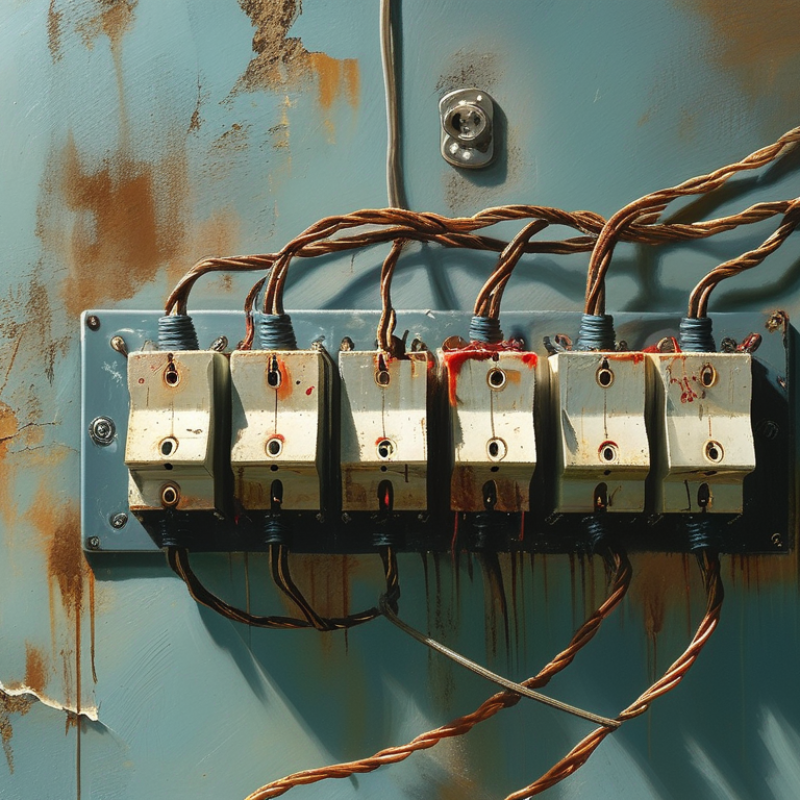
Experiencing a circuit breaker trip when turning on lights can be frustrating. This issue often arises due to several common causes that need investigation.
One prevalent reason is overloading the circuit. If the total wattage of all devices connected exceeds the circuit’s limit, the breaker will trip.
For instance, running multiple high-wattage bulbs or appliances simultaneously can easily trigger this response.
Another common culprit is a short circuit. This occurs when the hot wire touches a neutral wire. It creates an unexpected shortcut, causing the breaker to trip immediately.
You may notice flickering lights or a burning smell. Lastly, worn-out breakers can also cause tripping. If a breaker frequently trips, it may no longer function correctly.
Regular inspections can highlight such issues before they worsen. Addressing these factors can ensure your lighting operates smoothly, reducing inconvenience.
Understanding circuit breaker functionality is crucial for ensuring home safety. These devices prevent electrical overloads by interrupting the current flow. When a circuit breaker trips, it indicates an electrical problem. It safeguards against potential fires or equipment damage. Recognizing this fundamental role is essential.
A common reason for tripping is overloaded circuits. This occurs when too many appliances draw power simultaneously. For instance, if all lights in a room are switched on while running a heater, the breaker may trip. This highlights the importance of spreading out electricity usage. Faulty wiring can also be a culprit. Old wiring may not handle current efficiently, leading to failures.
Additionally, moisture can affect circuit performance. Water exposure can create short circuits. Keeping electrical connections dry is vital for reliability. Sometimes, it’s essential to reconsider how we use electrical appliances. Ignoring signs of potential upgrades could lead to future issues. Reflecting on our electrical habits can prevent unnecessary tripping.
| Reason | Description | Potential Solution |
|---|---|---|
| Overload | Too many devices are connected to the circuit. | Reduce the load on the circuit by unplugging some devices. |
| Short Circuit | An unintended path for current flow occurs. | Check for damaged wiring and repair or replace as needed. |
| Ground Fault | Current leaks to the ground from a live wire. | Identify and fix the ground fault; consider using GFCI outlets. |
| Faulty Circuit Breaker | The breaker itself may be defective. | Replace the circuit breaker with a new one. |
| Wiring Problems | Wires may be frayed or improperly connected. | Have a licensed electrician inspect and repair the wiring. |
| Incompatible Appliances | Appliances with high starting currents may trip the breaker. | Use appliances with lower power requirements or install a dedicated circuit. |
| Moisture Issues | Moisture can cause short circuits or ground faults. | Ensure areas are dry, and consider weatherproof electrical fixtures. |
| Overheating | Excessive heat may cause the breaker to trip. | Ensure adequate ventilation and avoid covering breaker panel. |
| Age of Breaker | Older breakers may wear out over time. | Consider replacing old breakers to enhance safety. |
| Improper Installation | Breakers not installed correctly may malfunction. | Ensure installation is done by a qualified electrician. |
When lights turn on and the circuit breaker trips, it often indicates an electrical overload. This issue arises when the total demand on a circuit exceeds its capacity. According to the National Electrical Code (NEC), most residential lighting circuits are rated for 15 to 20 amps. Exceeding this threshold can lead to breaker tripping, a crucial safety feature designed to prevent overheating and potential fires.
Poorly distributed electrical loads can exacerbate these problems. For instance, if multiple high-wattage bulbs are installed on the same circuit, they can collectively draw too much power. A recent industry report highlighted that nearly 30% of homeowners experience similar tripping issues when upgrading to energy-efficient lighting without considering the existing circuit capacity. Confusion often arises when newer LED bulbs are dimmer but consume a similar wattage to their incandescent counterparts.
Inspecting the wiring can reveal hidden complications. Aging cables or faulty connections can cause increased resistance, leading to tripped circuits, even at lower loads. It's essential to evaluate both the circuit design and the condition of the wiring to avoid misdiagnosing issues. A study from the Electrical Safety Foundation International (ESFI) found that nearly 50% of electrical fires originate from improper installations or outdated systems. Being proactive in understanding your circuit's limitations is critical for electrical safety.
Faulty wiring is a significant factor in circuit performance. A report from the National Fire Protection Association states that electrical failures are a leading cause of residential fires. Bad connections, damaged insulation, or outdated wiring can easily lead to circuit breakers tripping. These issues often go unnoticed until they cause a failure. For instance, an estimated 50,000 electrical fires occur yearly due to poor wiring.
When lights turn on, the sudden demand for power can expose problematic wiring. High resistance in faulty connections leads to overheating. This causes circuit breakers to trip as a safety measure. Industry experts suggest that regular assessment of electrical systems can prevent unexpected failures. In many cases, homeowners may overlook simple signs, such as flickering lights or buzzing sounds. These symptoms often indicate underlying wiring issues that need immediate attention.
Identifying these problems early can save costs and enhance safety. Reports indicate that replacing outdated wiring can reduce the risk of tripping breakers by up to 30%. The importance of hiring qualified electricians cannot be overstated. They can diagnose wiring issues effectively. Ignoring these warning signs might lead to more severe consequences down the line. An informed approach to maintenance and repairs can significantly improve the reliability of electrical systems.
When lights turn on and your circuit breaker trips, it can be frustrating. One common issue is a ground fault. This occurs when electricity finds an unintended path to the ground. It can happen due to damaged wires or faulty appliances. Ground faults often lead to shocks and other safety hazards.
Another reason could be a short circuit. This happens when a live wire touches a neutral wire. The result is an overload of electrical current. It generates excessive heat, leading to potential fire risks. Inspecting your wiring regularly is crucial. Look for frayed wires or loose connections that could cause these faults.
Understanding these issues is essential for electrical safety. If you notice frequent trips, it may indicate a serious problem. Seek professional help to assess your system. Ignoring these signs can lead to bigger, more costly repairs. Prioritizing safety in your electrical system is non-negotiable.
: A circuit breaker trips mainly due to overloaded circuits. Too many appliances drawing power simultaneously often trigger it.
Spread out electricity usage by not operating multiple high-demand appliances at the same time.
Moisture can create short circuits. Keeping electrical connections dry is essential for reliable performance.
New LED bulbs can draw power similar to older bulbs despite being dimmer. This can overload the circuit if not accounted for.
Ground faults occur when electricity finds unintended paths to the ground. Damaged wires or faulty appliances often cause them.
Short circuits occur when a live wire touches a neutral wire, leading to overload and excessive heat.
Regularly check for frayed wires, loose connections, and overall wiring condition to prevent issues.
Ignoring circuit trips can lead to severe problems, including fire risks. Recognizing signs early is crucial.
Knowing your circuit's limitations helps prevent overloads. It's vital for ensuring electrical safety in your home.
If you frequently experience breaker trips, it’s important to consult a professional to assess your electrical system.
The article "China Top 10 Reasons Why Does My Circuit Breaker Trip When Lights Turn On" explores several common causes behind the frustrating issue of circuit breakers tripping when lighting fixtures are activated. It begins by discussing the functionality of circuit breakers, emphasizing their role in protecting electrical systems from overloads and faults. Understanding these safety features is crucial for diagnosing problems effectively.
The article delves into key issues such as electrical overloads due to excessive lighting demands, faulty wiring that can compromise circuit performance, and the effects of ground faults and short circuits. By examining these factors, readers gain insight into why their circuit breaker trips when lights turn on, allowing them to identify potential solutions and maintain a safe electrical environment in their homes.
