What is the Standard Depth for Burying Lighting Cables?

Time:2026-06-25 Author:Isabella
0%

When planning outdoor electrical installations, understanding the question, "what is the standard depth for burying lighting cables," is crucial. Many homeowners and contractors overlook this detail. Burying lighting cables too shallow can lead to potential hazards. This can include accidental damage from tools or other disturbances.

To ensure safety, it’s essential to follow local regulations and guidelines. Typically, the standard depth is around 18 to 24 inches for underground wiring. However, this can vary based on soil type and environmental conditions. A deeper installation may be beneficial in areas prone to digging.

This topic invites reflection. Are you aware of the specific requirements in your area? Consulting with local authorities can clarify these standards. It’s not just about passing inspections; it's about ensuring lasting safety and reliability for your lighting systems. Understanding these nuances makes for a well-planned installation.
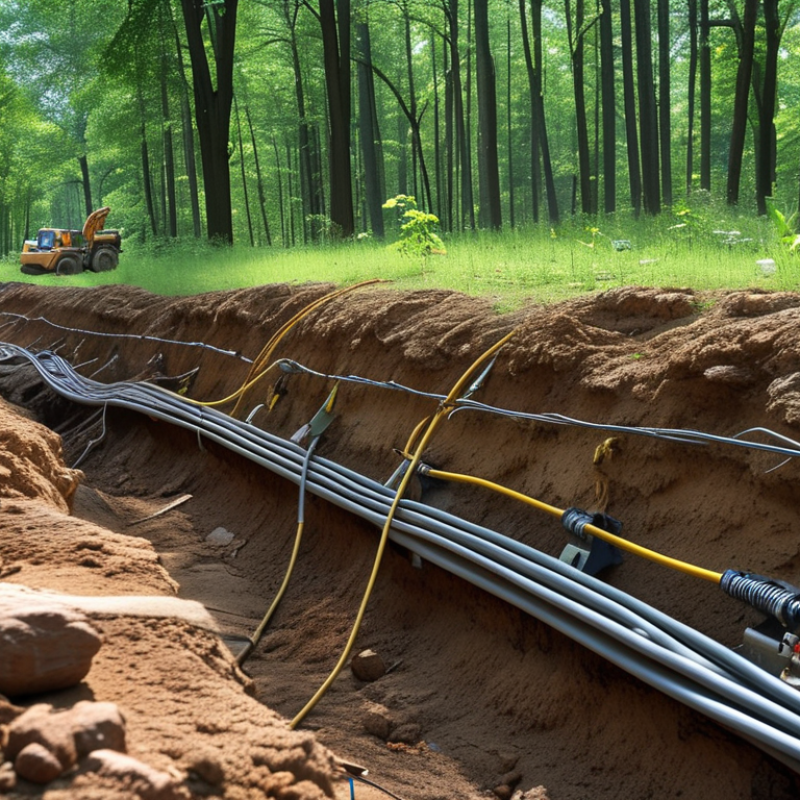
What is the Standard Depth for Burying Lighting Cables?

Understanding the Importance of Proper Cable Burial Depth

When burying lighting cables, understanding the correct depth is crucial for safety and efficiency. The National Electrical Code (NEC) suggests a minimum burial depth of 24 inches for direct burial cables. This standard is critical but often overlooked. Inadequate depth can lead to damage from frost, moisture, or impacts. Such issues may result in costly repairs and safety hazards.

According to a 2021 industry report by the Institute of Electrical and Electronics Engineers (IEEE), nearly 30% of underground cable failures are linked to improper burial depths. This underscores the importance of adhering to established guidelines. Additionally, environmental factors like soil composition and local climate can affect the required depth. For instance, areas prone to frost may require deeper burial to prevent cable damage.

Engineers recommend checking local regulations and soil conditions before installation. While 24 inches is a general rule, some areas might require deeper burial. Factors such as installation methods and cable specifications can add complexity. Regular assessments of buried cables are necessary; this ensures that they remain safe and functional over time.

What is the Standard Depth for Burying Lighting Cables? - Understanding the Importance of Proper Cable Burial Depth

Cable Type Recommended Burial Depth (in inches) Voltage Rating (V) Notes
Low Voltage (e.g., Lighting) 12 120 / 240 Clear zone from heavy traffic.
Line Voltage 24 480 Use sand or soft soil for better insulation.
Medium Voltage 36 1000 Mark location for maintenance and safety.
High Voltage 48 5000 Require proper signage and barriers.

Standard Depth Recommendations by Cable Type

When burying lighting cables, depth is crucial for safety and performance. Different cable types require different burial depths. For instance, direct-buried cables typically need a depth of at least 24 inches. This recommendation is based on guidelines from organizations such as the National Electrical Code (NEC), which emphasizes the importance of protection against accidental damage.

For non-metallic sheathed cable, a depth of 18 inches is often sufficient. However, it's vital to consider local codes, which may vary. Electrical contractors emphasize following these regulations to ensure optimal safety. In cases where cables are installed underground in conduit, the typical depth may drop to 6 inches. Yet, this varies greatly based on environmental conditions.

There are challenges in adhering to these standards. Soil conditions, moisture levels, and potential interference from plants can impact the necessary depth. A recent industry study indicated that improper burial depths can lead to cable damage and increased maintenance costs over time. Evaluating these factors is essential for successful installation. Ultimately, it's about balancing safety protocols and practical considerations in each unique project situation.

What is the Standard Depth for Burying Lighting Cables?

Factors Influencing Depth Requirements for Lighting Cables

When determining the burying depth for lighting cables, several factors come into play. Soil type significantly impacts depth requirements. Sandy soil drains well but is less stable. Heavy clay may hold moisture and requires deeper burial to ensure safety. Local climate also influences depth. Areas with frost require cables to be buried deeper to withstand freeze-thaw cycles.

The purpose of the installation is another consideration. For residential versus commercial settings, the depth may vary. Residential lighting may allow for shallower depths while commercial installations often require adherence to stricter regulations. Local codes and standards provide essential guidance, but they may differ widely. Always consult these codes before proceeding.

A key aspect is visualizing the underground environment. Roots from vegetation can disrupt cables if not buried deep enough. However, digging deeper can be more labor-intensive. Reflecting on these intricacies is crucial for a successful installation. In many cases, striking the right balance means evaluating these diverse factors carefully.

Local Regulations and Codes for Burying Electrical Cables

When burying lighting cables, adhering to local regulations is crucial. Each region may have specific codes dictating the minimum depth for underground electrical cables. Generally, this depth ranges from 12 to 24 inches, depending on the type of installation. However, these figures can vary greatly based on local climate, soil type, and potential hazards.

The National Electrical Code (NEC) suggests different burial requirements for different cable types. For instance, non-metallic cables need a minimum burial depth of 24 inches in some areas. Other cables may only require 12 inches. Cables buried under driveways or sidewalks may need to be placed deeper, potentially up to 30 inches. Local jurisdictions often enforce stricter guidelines to address unique environmental factors.

Understanding these regulations is essential. Failure to comply can lead to accidental damage to utilities and pose safety risks. Some areas might also require additional layers of protective materials. Always consult local codes before beginning any project. The consequences of ignoring these guidelines can be severe, especially during the installation of lighting systems for public or commercial spaces. Engaging with local authorities can provide clarity and guidance.

Best Practices for Installation and Safety Considerations

When installing lighting cables, adhering to standard depth recommendations is crucial for safety and performance. Generally, cables should be buried at a minimum depth of 24 inches to avoid damage from surface activities. The National Electrical Code (NEC) suggests this depth to protect against mechanical injury. This guideline is particularly relevant for residential areas where heavy equipment may be used.

Best practices also include the use of appropriate materials for conduit and cable insulation. These materials should be rated for underground use. A report from the Electrical Safety Foundation International highlights that improper installation can lead to substantial risks, including electrical fires.

It's important to consider soil conditions and the presence of buried utilities. Some areas may require deeper burial to account for frost heave or shifting ground. Regular checks and adjustments may be necessary. Ignoring these factors can lead to costly repairs and pose safety hazards. Be mindful of these details during the installation process for reliable results.

FAQS

: What is the recommended burial depth for lighting cables?

: The minimum recommended depth is 24 inches for direct burial cables.

Why is proper burial depth important?

It prevents damage from frost, moisture, and impacts, ensuring safety and efficiency.

What can happen if cables are not buried deep enough?

Inadequate depth may lead to costly repairs and safety hazards over time.

How often should buried cables be assessed?

Regular assessments are necessary for maintaining safety and functionality of cables.

Do local regulations vary for cable burial depth?

Yes, local codes can dictate burial depths ranging from 12 to 24 inches or more.

What factors influence the required burial depth?

Soil composition, local climate, installation methods, and cable specifications can affect depth.

Are there stricter guidelines in some areas?

Yes, some regions may enforce stricter guidelines to address unique environmental conditions.

What are the consequences of ignoring local regulations?

Ignoring guidelines can result in damage to utilities and safety risks.

Do different cable types require different burial depths?

Yes, non-metallic cables may need a minimum depth of 24 inches, while others may need less.

How can I ensure compliance with regulations?

Consult local codes and engage with authorities before starting any project.

Conclusion

Understanding the proper cable burial depth is crucial for ensuring the safety and functionality of lighting installations. The standard depth for burying lighting cables varies based on the type of cable used, with general recommendations often ranging from 12 to 24 inches. Various factors, including soil conditions, cable insulation, and local environmental factors, can influence these depth requirements. Additionally, it is essential to adhere to local regulations and codes that dictate the safe installation of electrical cables.

To ensure safety and performance, following best practices during installation is vital. This includes properly selecting cable types according to their burial requirements and considering environmental impacts. Ultimately, knowing what is the standard depth for burying lighting cables, along with local regulations, guarantees not only adherence to safety codes but also the longevity and efficiency of the electrical system.

Isabella

Isabella

Isabella is a dedicated marketing professional with a sharp focus on driving brand growth and engagement through strategic content creation. With an extensive background in digital marketing, she combines her passion for storytelling with her keen understanding of industry trends to deliver......