Why Do Outdoor Solar Lights Stop Working After One Year?

Time:2026-06-07 Author:Madeline
0%

Outdoor solar lights are a popular choice for homeowners seeking energy-efficient lighting solutions. However, many users encounter a frustrating issue: "why do outdoor solar lights stop working after a year?" This question highlights a common concern among consumers. Understanding the reasons behind this phenomenon is essential for making informed purchasing decisions.

Several factors contribute to the reduced lifespan of solar lights. One major reason is battery degradation. Most solar lights rely on rechargeable batteries, which can lose their ability to hold a charge over time. Environmental conditions, like excessive rain or extreme temperatures, can also impact their functionality. Moreover, poor-quality materials and manufacturing defects play a significant role in the durability of these products.

It's worth reflecting on how maintenance and usage habits can affect performance. For instance, neglecting to clean the solar panels can block sunlight, reducing energy absorption. By examining these aspects, consumers can better understand the longevity of their outdoor solar lights. Awareness of these challenges can lead to more thoughtful choices and possibly extend the life of these fixtures.
Why Do Outdoor Solar Lights Stop Working After One Year?

Common Reasons for Outdoor Solar Lights to Fail After One Year

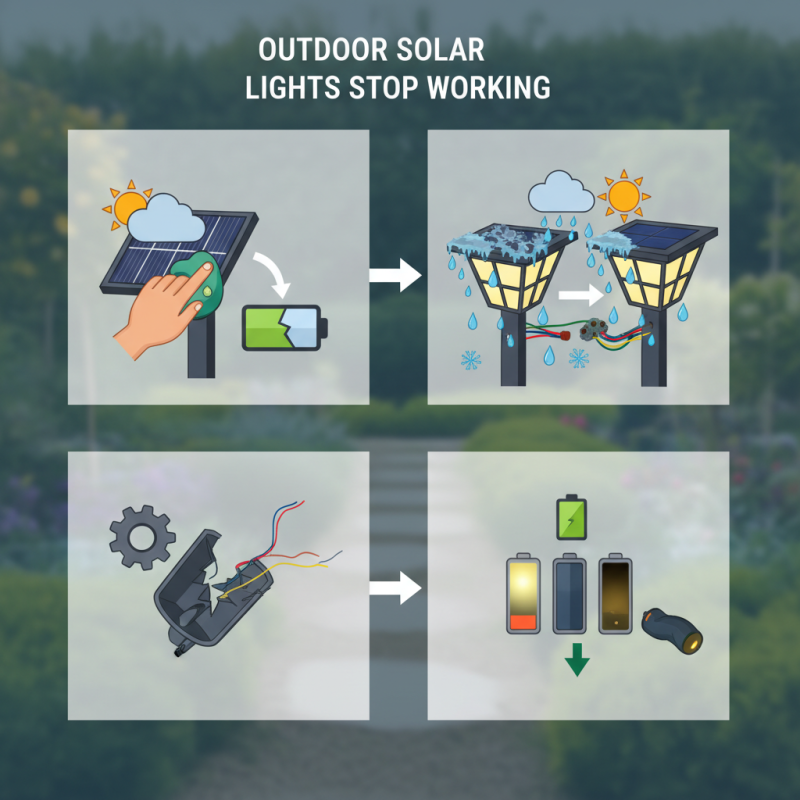
Outdoor solar lights are a fantastic addition to any garden or walkway, but many find them failing after just a year. This situation is often due to several common reasons that can be easily overlooked. One major issue is the degradation of solar batteries. These batteries charge daily, but exposure to heat and cold affects their lifespan. Often, they cannot hold a charge past one year.

Another factor is poor installation. If the solar panel is not positioned correctly, it won’t receive adequate sunlight. This can lead to lower energy absorption, rendering the lights ineffective. Regular cleaning of the solar panels is also critical. Dirt and debris can accumulate, reducing efficiency. Ideally, a quick wipe every few months can make a difference.

Additionally, the quality of materials plays a vital role in longevity. Cheaper products may compromise on durability. This often leads to corrosion and breakdown of components. Rain, wind, and temperature fluctuations can exacerbate these issues. While these lights are designed for outdoor use, not all can withstand harsh conditions. Being aware of these factors can help in making informed choices and prolonging the life of solar lights.

Common Reasons for Outdoor Solar Lights to Fail After One Year

Impact of Weather Conditions on Solar Light Longevity

Weather conditions significantly affect the longevity of outdoor solar lights. Heavy rain, snow, and extreme temperatures can degrade components over time. These elements can lead to water damage or impact the battery's capacity to hold a charge.

Tips: Install solar lights in sheltered areas. This can reduce exposure to harsh weather. Regular maintenance also helps. Clean the solar panels often to ensure maximum sunlight absorption.

Regular temperature fluctuations can wear down solar light materials, making them brittle. Overexposure to sunlight can cause fading and reduce their effectiveness. Many lights are designed for specific climates, which should be a consideration when purchasing and installing them.

Tips: Choose lights that match your local weather patterns. Consider harsh winters or windy seasons in your area. Monitoring the lights periodically can help you catch any issues early.

Significance of Battery Quality in Solar Light Performance

Outdoor solar lights are a convenient way to illuminate yards and pathways, but many people find that their lights fail after just one year. One key factor in this failure is battery quality. A poor-quality battery can degrade quickly, leading to reduced performance and efficiency.

Industry reports show that up to 70% of solar light failures are related to battery issues. Lithium-ion batteries are commonly used due to their longevity and efficiency. However, cheaper alternatives, such as lead-acid batteries, often do not meet long-term expectations. These cheaper batteries tend to lose their ability to retain a charge within a year or less.

**Tips:** Regularly check the battery’s voltage. If you notice it dropping significantly, consider replacing it with a high-quality option. Opt for batteries with a higher cycle life for better performance. Additionally, ensure your solar lights receive ample sunlight for charging, as this directly impacts battery longevity. Investing in quality batteries can greatly enhance the overall lifespan of solar lights.

Importance of Regular Maintenance for Solar Lights

Outdoor solar lights can be a convenient solution for night-time illumination, but they often face challenges after just one year. Regular maintenance is essential to ensure their longevity. A recent report showed that nearly 30% of solar lights fail within the first year due to neglect. Many owners mistakenly believe these lights are entirely maintenance-free.

Cleaning the solar panel is crucial. Dust, dirt, and leaves can accumulate, blocking sunlight. This can reduce the efficiency of the panels by up to 40%, drastically affecting performance. Experts recommend checking these panels monthly, especially in dusty environments. Additionally, the battery's health should not be overlooked. Most solar lights use rechargeable batteries that degrade over time. Changing them every year can significantly improve performance.

Another common issue is improper placement. A survey found that 45% of users do not position their lights for optimal sunlight exposure. This oversight leads to inadequate charging and dim lighting. Regular checks on the lighting and placement can help prevent these issues. A little attention can go a long way in ensuring outdoor solar lights continue to illuminate your space effectively.

How to Extend the Lifespan of Outdoor Solar Lighting Systems

Outdoor solar lights are a popular choice for homeowners looking to enhance their gardens or pathways. However, many people notice that these lights often stop working after just a year. Understanding how to extend the lifespan of outdoor solar lighting systems is crucial for getting the most out of your investment.

Regular maintenance is key. Clean the solar panels occasionally to remove dirt or debris. This ensures they can absorb maximum sunlight. Check the batteries too. Over time, solar batteries can lose their capacity. Replacing them can breathe new life into your lighting system. Choose high-quality batteries, as they can significantly influence performance.

Another important aspect is the placement of your solar lights. Position them in areas with ample sunlight during the day. Shadows from trees or buildings can shorten their charging time. Some people underestimate this detail, leading to reduced efficiency. Additionally, consider factors like weather exposure. Lights exposed to extreme conditions may require more frequent checks. By keeping these points in mind, you can help your solar lights last longer and perform better.

FAQS

: Why do outdoor solar lights often fail after one year?

: A major reason is battery degradation. Heat and cold affect battery lifespan, often reducing charge capacity.

How does solar panel positioning affect outdoor lights?

If the solar panel isn’t positioned correctly, it won’t get enough sunlight, which lowers energy absorption.

What maintenance do solar panels need?

Regular cleaning is vital. Dirt and debris can accumulate, reducing efficiency. A quick wipe every few months helps.

Can weather conditions damage solar lights?

Yes, heavy rain, snow, and extreme temperatures can degrade components, leading to water damage and battery issues.

How can I protect solar lights from harsh weather?

Install them in sheltered areas. This can minimize exposure to heavy rain and snow, prolonging their lifespan.

What materials affect the durability of solar lights?

Cheaper products tend to corrode faster. They often fail when faced with rain, wind, and temperature changes.

How do temperature fluctuations impact solar lights?

Regular fluctuations can make materials brittle. Overexposure can cause fading, impacting the lights’ overall effectiveness.

Are all solar lights suitable for harsh climates?

Not all solar lights are designed for every climate. It's important to choose lights that match your local weather conditions.

How can periodic monitoring benefit my solar lights?

Regular checks can help you spot issues early, ensuring you can address problems before they lead to complete failure.

Conclusion

The article titled "Why Do Outdoor Solar Lights Stop Working After One Year?" explores various factors contributing to the early failure of outdoor solar lighting systems. One common reason is the impact of severe weather conditions, which can hasten degradation. Poor quality batteries are another critical factor, as they directly affect the performance and lifespan of the solar lights. Additionally, neglecting regular maintenance can lead to diminished functionality over time.

To address the question of why do outdoor solar lights stop working after a year, the article emphasizes the importance of both choosing high-quality components and performing routine checks to ensure optimal operation. Simple maintenance practices, like cleaning solar panels and replacing batteries when necessary, can significantly extend the life of outdoor solar lights, ensuring they remain effective for years to come.

Madeline

Madeline

Madeline is a dedicated marketing professional with a wealth of expertise in our company's core offerings. With a keen understanding of the industry, she brings a unique perspective to her role, consistently delivering high-quality content that highlights the superior aspects of our products. As......