 Uvily Light
Uvily Light
Uvily Light
The advancement of technology is reshaping various sectors, and outdoor lighting is no exception. As we explore what are the latest trends in smart outdoor lighting, it is crucial to acknowledge the growth of this market. According to industry reports, the global smart lighting market is projected to reach $30 billion by 2026, driven by the demand for energy-efficient solutions.
Smart outdoor lighting is increasingly incorporating IoT solutions and AI to enhance user experience. The integration of smart sensors allows for real-time data collection, providing insights into energy consumption and lighting patterns. Moreover, adaptive lighting systems can adjust brightness based on time of day or weather conditions, further optimizing energy use.
Despite these innovations, some challenges remain. Not all consumers are ready to adopt smart outdoor lighting due to costs or technical complexities. Additionally, issues related to cybersecurity in IoT devices must be addressed. By recognizing these trends and obstacles, stakeholders can better prepare for the evolving landscape of smart outdoor lighting. The future promises exciting possibilities, but careful navigation is essential.
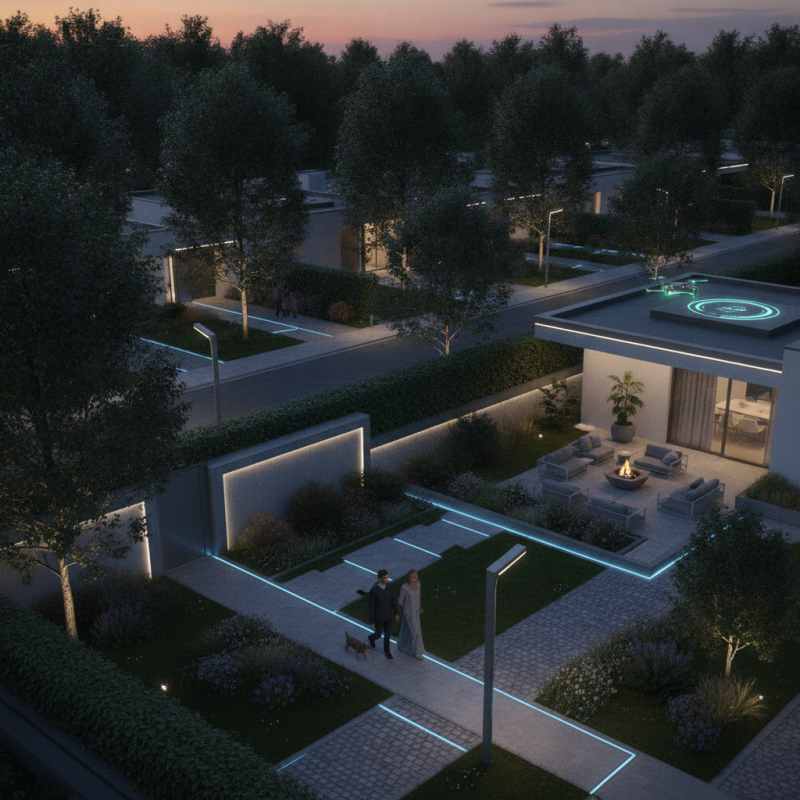
The rise of solar-powered smart outdoor lighting solutions is changing how we think about outdoor spaces. These lights are not just energy-efficient; they harness clean energy directly from the sun. This simplicity is appealing to many homeowners and businesses looking to lower their carbon footprints. With advanced solar panels, these lights can store energy all day, providing illumination at night. Imagine pathways and gardens lit softly, enhancing safety and aesthetics.
People are excited about the integration of technology into these solar lights. Motion sensors that activate bright LEDs upon detection are increasingly popular. They save energy when not in use, and they provide security. The ability to adjust brightness and color temperature through mobile apps adds another layer of convenience. Yet, some challenges remain, including inconsistent performance on cloudy days. Many users have to find the right balance, ensuring their gardens are well-lit without relying solely on these devices.
As more focus shifts to eco-friendly lighting, consumers should consider their unique needs. The functionality of these solar solutions varies widely. It is essential to research and choose models that suit specific outdoor environments. There are options that work well in some regions while struggling in others. Overall, solar-powered smart lights present exciting possibilities for enhancing outdoor living.
| Trend | Description | Benefits | Expected Impact |
|---|---|---|---|
| Solar Integration | Incorporating solar panels to power outdoor lighting sustainably. | Reduces electricity costs and carbon footprint. | Promotes eco-friendly practices in urban areas. |
| Smart Sensors | Utilizing motion and light sensors for automatic adjustments. | Enhances efficiency and extends the lifespan of lighting. | Improves user convenience and energy management. |
| Mobile App Control | Control lighting systems through smartphone applications. | Offers remote access and user-friendly operation. | Increases user engagement and personalization. |
| Energy Efficient LEDs | Adopting advanced LED technology for brighter, energy-saving lights. | Significantly lowers energy consumption. | Enhances sustainability efforts. |
| Data-Driven Analytics | Using data analytics for optimizing lighting usage. | Improves decision-making and resource allocation. | Fosters intelligent urban planning. |
| Integration with Smart Cities | Syncing outdoor lighting with citywide smart infrastructure. | Enhances safety and environmental monitoring. | Supports sustainable urban development. |
| Dynamic Lighting Solutions | Adjustable color and intensity based on usage scenarios. | Creates an appealing ambiance and saves energy. | Enhances public spaces and user experiences. |
| Enhanced Security Features | Incorporating security cameras and alarms in lighting installations. | Provides safety and crime deterrence. | Boosts community safety initiatives. |
| Eco-Friendly Materials | Using recycled and sustainable materials in lighting designs. | Reduces environmental impact. | Supports a circular economy. |
: They are energy-efficient lights that use solar energy to illuminate outdoor spaces.
They often include motion sensors that activate bright LEDs to deter intruders and improve visibility.
It's important to research various models to find options that suit specific outdoor environments.
They can struggle to perform well on cloudy days, impacting overall reliability in certain regions.
IoT makes outdoor lights more intuitive, allowing them to adjust automatically based on ambient conditions.
Regular checks on connections and functionality can help ensure they operate efficiently.
Yes, ensuring robust security protocols is crucial to protect user information from potential breaches.
It reduces energy consumption, lowers costs, and addresses environmental concerns associated with traditional lighting.
It can lead to vulnerabilities, raising questions about the security of the system and user data.
Ensuring all communities benefit from advancements fosters inclusivity and addresses infrastructure disparities.
In 2026, the landscape of smart outdoor lighting is evolving significantly, driven by innovative solutions and technologies. One of the key trends is the rise of solar-powered smart outdoor lighting solutions, which are not only sustainable but also cost-effective for users. Additionally, the integration of IoT technology is enhancing connectivity, allowing for more efficient lighting systems that can be monitored and controlled remotely.
Furthermore, advancements in energy efficiency standards are pushing the boundaries of how much energy outdoor lighting can conserve. Enhanced user experiences are being achieved through mobile apps and smart controls, making it easier for consumers to manage their lighting needs. Lastly, the impact of AI and machine learning is transforming automation trends in lighting, leading to smarter, adaptive systems. In summary, these developments answer the question of what are the latest trends in smart outdoor lighting, showcasing a future focused on efficiency, user engagement, and sustainability.
