How to Design a Landscape Lighting Layout for Maximum Impact?

Time:2026-07-27 Author:Oliver
0%

Creating an inviting outdoor space requires thoughtfulness. Lighting plays a crucial role in enhancing your landscape’s beauty. However, knowing how to design a landscape lighting layout can seem daunting. It’s not just about illuminating your garden; it’s about creating ambiance and highlighting features.

Successful lighting designs focus on balance and proportionality. Bright spots can captivate, but overly bright areas might overwhelm. Consider the pathways, trees, and architectural features. Each element deserves attention. For example, up-lighting a beautiful tree trunk can draw the eye upward. But failing to properly diffuse the light can lead to glaring effects that detract from the space.

While it may feel easy to fall into common lighting traps, reflecting on your choices is crucial. Are you emphasizing the right elements? Is the light warm and inviting? Engaging with the landscape's unique character can lead to extraordinary results. Address these questions as you explore how to design a landscape lighting layout for maximum impact. Your outdoor oasis awaits.
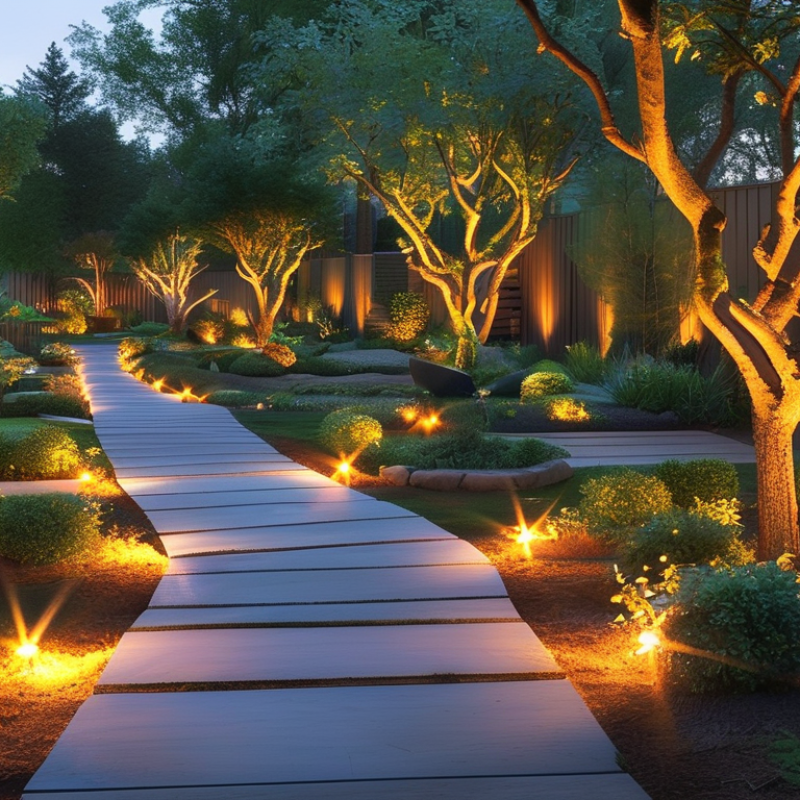
How to Design a Landscape Lighting Layout for Maximum Impact?

Understanding the Importance of Landscape Lighting in Design

Landscape lighting plays a pivotal role in enhancing outdoor spaces. It brings out the beauty of gardens, walkways, and architectural features. A well-designed lighting layout transforms a neutral landscape into a vibrant, inviting environment. Strategic placement of lights can create highlights and shadows, setting the mood for your outdoor area.

Understanding the importance of landscape lighting involves recognizing its aesthetic and functional benefits. Proper lighting improves safety by illuminating pathways and steps. It also extends the usability of outdoor spaces well into the evening. However, poorly planned lighting can cause glaring spots or deep shadows. It's essential to balance brightness and darkness.

Consider the color temperature of the lights. Warmer tones create a cozy atmosphere, while cooler tones evoke a modern feel. Experimentation is key, as personal preferences vary. Landscapes are dynamic, requiring ongoing assessment and adjustments. A thoughtful approach to landscape lighting can provide lasting impact, but continuous refinement may be necessary for optimal results.

Key Principles of Effective Landscape Lighting Layouts

A well-planned landscape lighting layout can transform outdoor spaces. The right combination of techniques can enhance beauty and safety. The Illuminating Engineering Society suggests that layering light is essential. This involves combining ambient, task, and accent lighting for a balanced effect.

Creating focal points adds depth. Place lights near trees, sculptures, or architectural features. Studies show that highlighting key elements can increase perceived property value by 20%. Moreover, consider the color temperature. Warm lights create inviting atmospheres, while cooler tones can feel sterile.

However, mistakes happen. Over-illuminating spaces can reduce the aesthetic appeal. Ensuring uniformity is crucial, yet many overlook this. Regular maintenance, such as cleaning fixtures, is often neglected. Refreshing the layout every few years helps maintain an engaging visual impact. Balancing effect with efficiency is key.

Types of Landscape Lighting Fixtures and Their Impact

Landscape lighting plays a crucial role in enhancing the beauty of outdoor spaces. There are various types of fixtures to consider. Path lights are essential for safety and guiding visitors. They illuminate walkways and garden paths. Wall-mounted lights add depth by highlighting textures on fences or walls. These fixtures create a warm, welcoming ambiance.

Spotlights are powerful and focused. They can showcase trees or architectural elements. The contrast they create can make your landscape feel dynamic. However, placement is key. Poorly positioned spotlights can create harsh shadows. Don't overlook the importance of uplighting. It alters the mood and outlines shapes elegantly.

String lights offer a whimsical touch. They can be draped between trees or along fences. This adds a casual, festive atmosphere. Yet, they require regular maintenance. Weather conditions can degrade their appearance. By mixing these lighting types, you can achieve a well-rounded effect. Explore different combinations for a unique landscape design. Each fixture brings its own character, elevating your outdoor experience.

Types of Landscape Lighting Fixtures and Their Impact

Calculating the Ideal Light Levels for Outdoor Spaces

Calculating the ideal light levels for outdoor spaces is essential for creating an inviting atmosphere. Light levels vary based on the area and its intended use. For instance, pathways require less light than a seating area. Generally, a range of 1-2 foot-candles is sufficient for paths, while 5-10 foot-candles is ideal for outdoor entertaining spaces.

Consider the specific features of your landscape. Trees and shrubs need subtle lighting to highlight their beauty without overpowering them. Use warm tones that mimic natural light to enhance the ambiance. Remember, too much light can create harsh shadows or glare. Regularly assess your layout and adjust light levels as plants grow and spaces evolve.

Implementing a layered lighting scheme helps create depth. Combine ambient, task, and accent lights to achieve balanced illumination. Don’t forget to test your design at different times of the night. A lighting plan might look perfect in theory but may not function as anticipated in practice. Iteration and adjustment are key in achieving the desired impact.

Creating Focal Points and Depth with Strategic Lighting Placement

Creating a captivating landscape lighting layout involves more than just illuminating pathways. Strategic lighting placement can turn ordinary gardens into enchanting spaces. Focus on key elements like trees, water features, and architectural details. Use uplights to accentuate the textures of bark or stone. This technique creates dimension and visual interest.

Consider layering your lighting to enhance depth. Position lights at varying heights for a more immersive experience. For instance, sidelights can elongate shadows, giving your space a dramatic flair. However, over-lighting can wash out delicate features. A balance is vital. Experimenting with various placements can yield unexpected results.

Reflect on the mood you want to create. Solar lights may offer convenience but can lack the warm glow of carefully placed fixtures. Some areas might require multiple fixtures to achieve harmony, while others may only need one. Take time to observe how your design changes as evening falls. This reflection can lead to refined choices that elevate your landscape’s aesthetic.

How to Design a Landscape Lighting Layout for Maximum Impact?

Lighting Element Purpose Recommended Placement Effect on Landscape
Path Lights Guide and safety along pathways Along garden paths and driveways Creates a welcoming entrance
Spotlights Highlight focal features Pointed at trees, sculptures, or water features Adds drama and visual interest
Wash Lights Evenly illuminate walls or trees Placed to wash the surface of structures Creates depth and ambiance
Bollard Lights Provide light and safety At path ends and entry points Guides guests while enhancing style
Step Lights Illuminate steps for safety Installed on or adjacent to steps Prevents accidents at night

FAQS

: What is the benefit of layering light in landscape design?

: Layering light combines ambient, task, and accent elements. This enhances beauty and safety in outdoor spaces.

How can I create focal points with lighting?

Place lights near trees, sculptures, or architectural features. This adds depth and can increase property value.

What color temperature should I choose for landscape lighting?

Warm lights create inviting atmospheres. Cooler tones may feel sterile or unwelcoming.

What are common mistakes in landscape lighting?

Over-illuminating can reduce aesthetic appeal. Also, neglecting regular maintenance leads to diminished impact.

How do I choose the right fixtures for different areas?

Path lights guide visitors safely. Wall-mounted lights highlight textures, while spotlights showcase focal features.

How should I calculate light levels for outdoor spaces?

Light levels vary by area use. Pathways need 1-2 foot-candles, while entertaining spaces need 5-10 foot-candles.

When is it important to refresh my lighting layout?

Revise your layout every few years. This helps maintain visual interest as plants and spaces change.

What should I avoid when placing spotlights?

Poorly positioned spotlights can create harsh shadows. Placement is crucial to ensure a pleasing effect.

What is the purpose of string lights in landscape design?

String lights add a whimsical touch. However, they require regular maintenance due to weather effects.

Why is testing my lighting design important?

Testing at different times of night reveals how the design functions. You may need to adjust for better effects.

Conclusion

In "How to Design a Landscape Lighting Layout for Maximum Impact," the article highlights the significance of landscape lighting in enhancing outdoor design. It emphasizes the key principles that shape effective lighting layouts, such as balance, proportion, and harmony, which ensure that the lighting complements the overall landscape rather than overwhelming it.

The piece also explores various types of landscape lighting fixtures and their unique effects on the ambiance of outdoor spaces. It guides readers on how to calculate ideal light levels to create inviting environments while strategically placing lights to develop focal points and add depth. By following these guidelines, homeowners and designers alike can learn how to design a landscape lighting layout that maximizes impact and transforms their outdoor areas into stunning, illuminated landscapes.

Oliver

Oliver

Oliver is a seasoned marketing professional with a wealth of expertise in driving brand awareness and engagement. With a deep understanding of our company's product offerings, he consistently delivers high-quality content that enriches our professional blog. His insights not only shed light on......