Outdoor lighting plays a crucial role in safety, aesthetics, and functionality. The color temperature of outdoor lights significantly influences these aspects. Studies indicate that improper lighting can lead to increased accidents and crime rates. According to the Illuminating Engineering Society, the right color temperature enhances visibility and mood, impacting well-being.
So, what is the best color temperature for outdoor lighting? Generally, cooler temperatures (above 4000K) are favored for commercial spaces. Warmer temperatures (below 3000K) are often preferred for residential settings. Yet, the ideal temperature varies based on application. For instance, parks and walkways benefit from softer light. In contrast, security lighting requires higher temperatures for effective visibility.
The challenge lies in balancing brightness and ambiance. Some areas may feel overly illuminated, while others remain dim. This flaw highlights the need for better lighting strategies. Understanding the specific needs of each outdoor space can lead to more effective lighting solutions. It's essential to consider both aesthetic preferences and practical requirements.
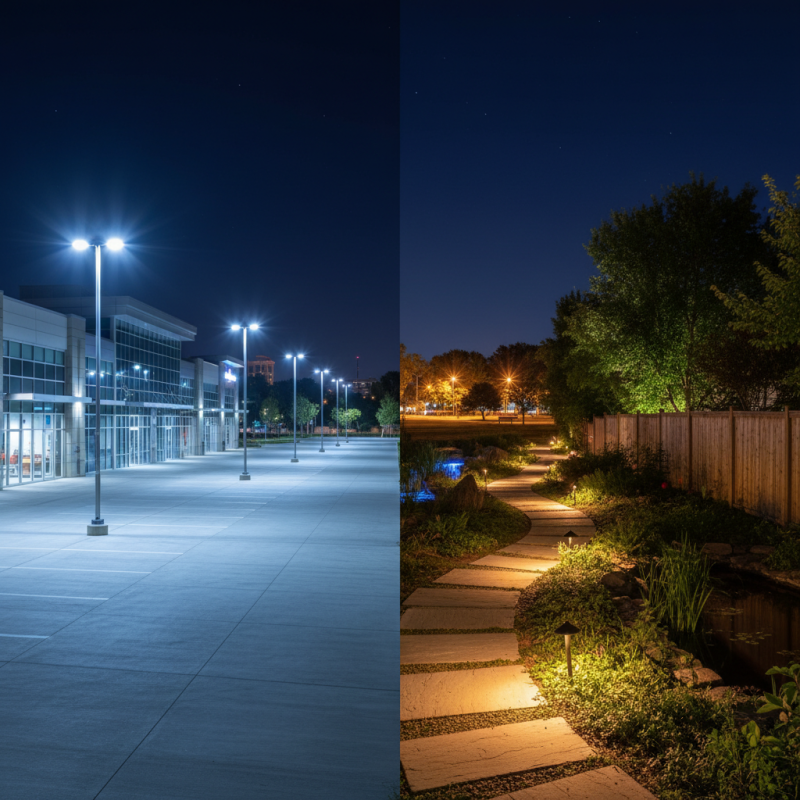
Understanding Color Temperature in Outdoor Lighting
Outdoor lighting is crucial for safety and ambiance. Understanding color temperature is key to achieving the right lighting effects. The color temperature is measured in kelvins (K). It determines how warm or cool the light appears. A warmer light, around 2700K, produces a soft glow. This is ideal for residential settings, creating a cozy atmosphere. Meanwhile, cooler lights (above 5000K) emulate daylight. They are better suited for security and visibility.
**Tips:** Consider your environment before choosing a color temperature. For outdoor gatherings, aim for warmer tones. They invite relaxation and comfort. Conversely, if you have pathways or driveways, cooler temperatures enhance visibility and safety.
Color temperature can impact mood and perception. Warmer lights are often associated with relaxation. Cooler lights can energize and improve alertness. Reflect on what you want to achieve in each outdoor space. Experimenting is valuable. Don't hesitate to try different tones to find what best suits your needs.
Effects of Color Temperature on Visibility and Safety
Choosing the right color temperature for outdoor lighting greatly influences visibility and safety.
Warm white lights (3000K) create a cozy atmosphere. However, they may not be bright enough for identifying hazards in darker areas. Cooler lights, like those at 5000K, enhance visibility. They provide better contrast and help users recognize obstacles more easily.
In poorly lit environments, the color temperature affects how well we can perceive our surroundings. Poor choices can lead to accidents or uneasy situations. A dimly lit path with warm light can create shadows, masking potential dangers. Conversely, using cooler lights can make details more discernible, such as uneven surfaces or objects in the way.
Moreover, lighting color temperature impacts the mood and safety perception. People may feel more secure in well-lit areas with cooler temperatures. Yet, too much brightness can cause glare, leading to confusion. Finding the right balance is crucial. It requires careful consideration of the area and its typical usage. Mistakes can create a false sense of security in inadequate lighting.
Choosing the Right Color Temperature for Different Outdoor Spaces
When selecting outdoor lighting, color temperature plays a crucial role. It affects mood, safety, and the overall ambiance of a space. Different outdoor areas require distinct temperatures to serve their intended purpose effectively.
For paths and walkways, a cooler temperature, around 4000K to 5000K, enhances visibility. This range mimics daylight and helps prevent accidents. However, for relaxation areas like gardens or patios, a warmer temperature of 2700K to 3000K creates a cozy, inviting atmosphere. This warmth encourages social interaction and offers comfort during evening gatherings.
Tips: Consider the activity that will take place in each space. A sports area might benefit from brighter, cooler lights to improve visibility. In contrast, a romantic dining setup requires softer, warmer tones. Always test your lighting options before installation. The color temperature can drastically change the feel of a space. A miscalculated choice may lead to an unwelcoming environment or an overly clinical feel. It’s vital to strike a balance that fits the intended use and enhances the outdoor experience.
Comparing Warm and Cool Color Temperatures for Outdoor Lighting
When considering outdoor lighting, the choice between warm and cool color temperatures can greatly impact the ambiance and functionality of a space.
Warm lighting, usually around 2700K to 3000K, creates a cozy, inviting atmosphere. It mimics the glow of sunset, perfect for residential areas and patios. People often feel more relaxed under warm lights, fostering a sense of community. It’s ideal for outdoor gatherings, where warmth is a key ingredient.
Cool lighting, on the other hand, ranges from 4000K to 6000K. This light is bright and invigorating, resembling daylight. It enhances visibility, making it suitable for security purposes. Pathways, driveways, and entryways benefit from cool lighting. However, it can sometimes feel stark or clinical. Striking the right balance is crucial. Too much cool light can create an unwelcoming environment.
Understanding these color temperatures helps in making informed decisions. Lighting should serve its purpose while enhancing outdoor aesthetics. Experimenting with different combinations can lead to a unique outdoor experience. Consider how each temperature affects the colors and textures of your outdoor space. It’s a journey worth exploring, even if it requires some trial and error.
Best Practices for Implementing Ideal Color Temperatures Outdoors
Choosing the right color temperature for outdoor lighting is essential for both aesthetics and functionality.
Warmer tones, such as 3000K, create a cozy atmosphere, perfect for residential areas. They enhance landscape features and make spaces feel inviting.
Cooler temperatures, like 5000K, are energizing; they work well for task lighting in workspaces or security purposes.
Consider the context and purpose of each area when selecting color temperatures.
When implementing outdoor lighting, pay attention to the surrounding environment.
High color temperatures can lead to harsh contrasts, creating discomfort for eyes. Strive for a balance that complements natural light.
Use fixtures that can be easily adjusted to control brightness and warmth. Testing different temperatures in actual outdoor settings can provide valuable insights.
Collect feedback from users to ensure the lighting meets their needs.
While best practices offer guidance, every space is unique. Reflect on how your choices impact the environment and the people using it.
Outdated lighting methods can lead to energy waste. Stay informed about advances in technology and sustainability.
This can enhance the effectiveness of your outdoor lighting designs forever.
FAQS
: Color temperature, measured in kelvins (K), determines how light appears. It ranges from warm to cool tones.
It affects safety, mood, and the ambiance of outdoor spaces. Different activities require different lighting.
For paths and walkways, use cooler temperatures around 4000K to 5000K. This enhances visibility and safety.
Warmer temperatures of 2700K to 3000K create a cozy atmosphere. This encourages social interaction and comfort.
Warmer lights promote relaxation, while cooler lights can energize and increase alertness. It's vital to reflect on your goals.
Yes, testing different color temperatures is essential. An unwelcoming choice can diminish outdoor enjoyment and atmosphere.
Absolutely. Overusing cool light can create a harsh, clinical environment. Balance is crucial for a pleasant atmosphere.
Explore different combinations and observe how they affect your space. It may require trial and error to find what fits.
Consider the type of activity in each area. Lighting should enhance both functionality and aesthetics based on its use.
A miscalculated choice may lead to discomfort or an uninviting space. It's essential to choose wisely for the best experience.
Conclusion
The importance of selecting the right color temperature for outdoor lighting cannot be overstated, as it directly impacts visibility, safety, and the overall ambiance of different spaces. Understanding color temperature involves recognizing how warm and cool shades affect our perception; warmer color temperatures (around 2700K to 3000K) create a cozy and inviting atmosphere, while cooler temperatures (4000K to 5000K) enhance visibility, making them more suitable for security purposes.
When determining what is the best color temperature for outdoor lighting, it's essential to consider the purpose of the space. For residential areas and gardens, warmer tones can add charm, while public spaces like parks or parking lots benefit from cooler hues that promote alertness and safety. Adhering to best practices in color temperature implementation can significantly enhance outdoor environments, ensuring they are both functional and aesthetically pleasing.
 Uvily Light
