 Uvily Light
Uvily Light
Uvily Light
When considering outdoor lighting, aesthetics and safety are key. One concern is how to hide outdoor lighting wires on the ground. Visible wires can detract from your garden's beauty and pose tripping hazards. Fortunately, there are various effective methods to conceal them, ensuring a tidy appearance.
One approach is to use mulch or landscaping fabric. This can keep wires out of sight and blend them into the environment. However, covering wires this way requires regular maintenance to ensure they remain protected from damage. Another option involves burying them underground at a safe depth. This provides a clean look but may involve more time and effort upfront.
Ultimately, the choice depends on your garden’s layout and your personal preferences. Exploring these options can help you create a safe, beautiful outdoor space while effectively addressing the challenge of how to hide outdoor lighting wires on the ground.
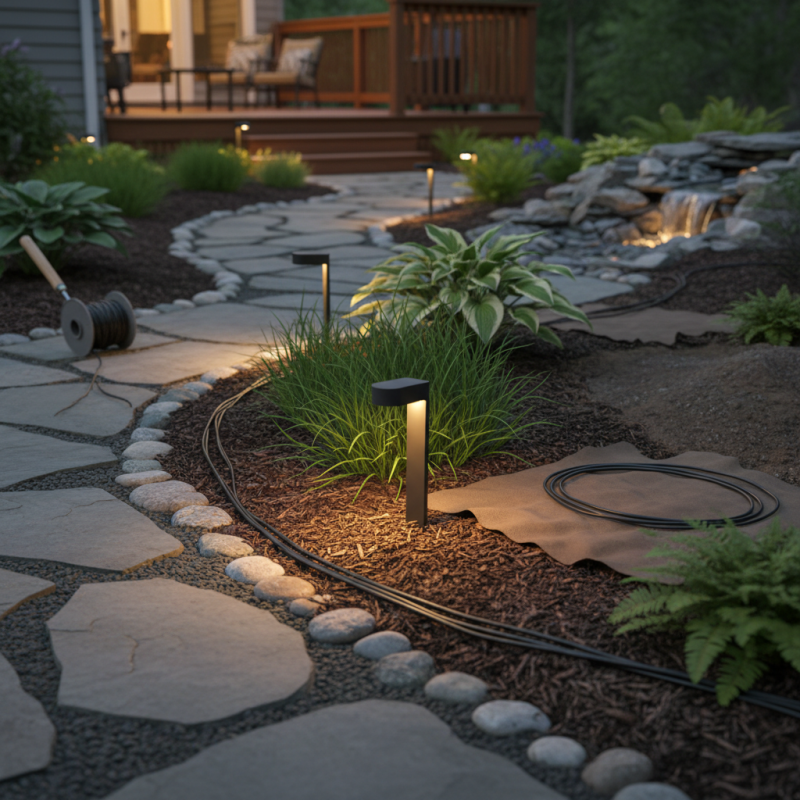
Concealing outdoor lighting wires is crucial for both aesthetics and safety. Visible wires can disrupt the beauty of your landscape. They can also pose tripping hazards for you and your guests. Keeping these wires hidden enhances the overall appeal of your outdoor space, making it look more polished and professional. When wires are uncovered, they detract from the visual impact of your lighting design.
There are various methods to achieve concealment. Burying the wires several inches underground is one effective way. Using soil or mulch can help blend the wires into your landscape. Another option is to hide them along garden edges or under rocks. However, be cautious about the depth. If placed too deep, it might be difficult to access for future maintenance. Reflect on your wire routing. Rerouting may be necessary to avoid obstacles and improve aesthetics.
Using decorative items can also help camouflage wires. Placing outdoor decorations or plants strategically may effectively conceal cables. However, be mindful; overdoing it can create clutter. Regular checks on concealed wires are essential. Debris can accumulate over time, leading to potential damage. Taking proactive steps ensures your outdoor lighting remains functional and visually appealing.
: Concealing wires enhances aesthetics and safety, preventing tripping hazards and improving the visual appeal of your landscape.
Burying them underground, using mulch, or hiding them under rocks are effective methods for concealment.
Wires should be buried several inches deep, but not too deep to make future maintenance difficult.
Yes, placing outdoor decorations or plants can effectively hide wires, but avoid creating clutter.
Regular inspections are essential to look for wear, frayed insulation, or exposed connections.
Mulch covers wires and protects them from sun exposure, but check its depth periodically.
Act quickly to address any issues to avoid hazards and maintain functionality.
Protective tubing shields wires from damage caused by lawn equipment and other outdoor activities.
A small flag can indicate wire locations, preventing accidental cuts during yard work.
Rerouting may be necessary to avoid obstacles and improve both aesthetics and access for maintenance.
When considering how to hide outdoor lighting wires on the ground, it’s essential to recognize the importance of concealment for aesthetic and safety reasons. The process begins with selecting the right tools and materials, which ensure a secure and discreet installation. Following a step-by-step guide to safely bury outdoor lighting wires can streamline the project. Additionally, employing creative landscaping ideas can effectively camouflage above-ground wires, blending them seamlessly into the garden environment.
Maintenance is crucial to preserve the integrity of the concealed outdoor lighting wires. Regular checks can help prevent wear and tear, ensuring the system remains functional and visually pleasing. By combining these strategies, homeowners can achieve a neat and organized outdoor lighting setup that enhances their landscape while maintaining safety and efficiency.
