How to Choose the Right Lumens for Backyard Lighting Tips?

Time:2026-05-31 Author:Charlotte
0%

When considering outdoor illumination, understanding how to choose the right lumens for backyard lighting is essential. The brightness of your lights can dramatically alter your outdoor experience. Proper lumens can enhance safety and create a welcoming atmosphere. Too much light can be overwhelming, while too little renders spaces unsafe.

Your particular needs dictate the optimal lumen levels. For pathways and patios, a softer glow is often ideal, typically ranging from 100 to 300 lumens. In contrast, task areas like grills may require 700 lumens or more. It’s crucial to think about how each area of your backyard will be used. Reflecting on practical usage can prevent common mistakes.

Consulting with professionals or reading expert advice can prove beneficial. Yet, personal preferences play a vital role. Balancing brightness with ambiance demands careful thought. Thoughtful planning leads to an inviting environment. Ultimately, mastering how to choose the right lumens for backyard lighting is achievable with a bit of insight and experimentation.
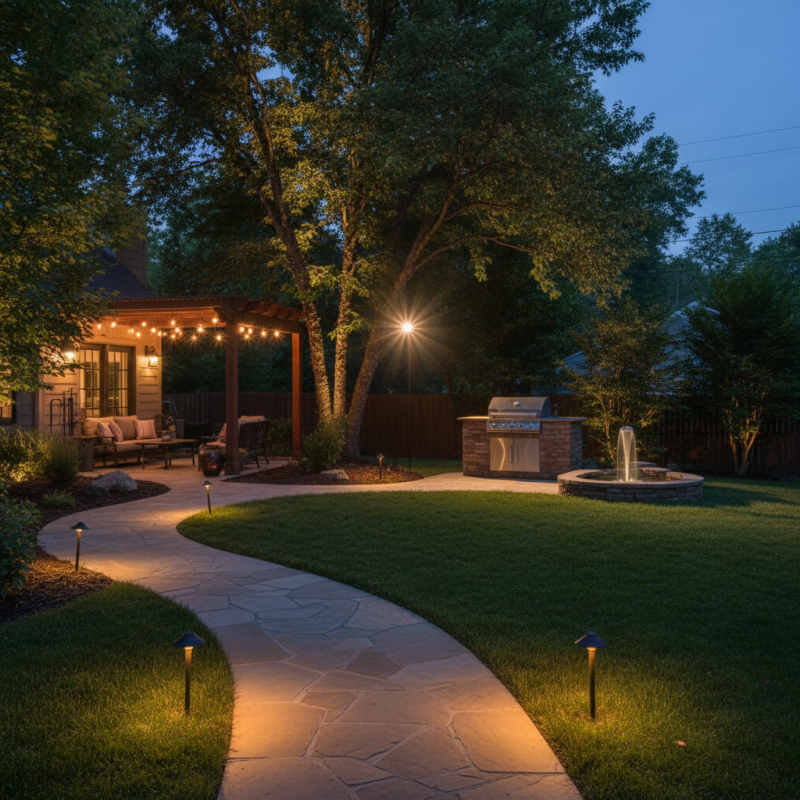
How to Choose the Right Lumens for Backyard Lighting Tips?

Understanding Lumens: The Measurement of Light Output

Understanding lumens is essential when selecting outdoor lighting for your backyard. Lumens measure the total amount of visible light emitted by a source. According to the Illuminating Engineering Society, a well-lit area typically requires about 10 to 20 lumens per square foot for general outdoor lighting. For pathways, aim for 50 lumens per square foot to ensure safe navigation.

Different activities require varying levels of brightness. For instance, ambient lighting for relaxation may only need 100 lumens, while task-oriented areas, like a grill station, could require 300 lumens or more. Additionally, consider the color temperature of the light. Warmer lights appear softer, while cooler lights create a more vibrant atmosphere.

One common mistake is over-lighting spaces. Too many lumens can create glare and make an area feel harsh. People often underestimate the effect of shadows at night. Reflect on your lighting needs and adjust accordingly. Choose wisely and balance functionality with aesthetics to enhance your backyard's ambiance effectively.

How to Choose the Right Lumens for Backyard Lighting Tips? - Understanding Lumens: The Measurement of Light Output

Type of Lighting Recommended Lumens Purpose
Pathway Lighting 100-200 Lumens Safety and Navigation
Garden Spotlights 200-300 Lumens Highlighting Plants
Deck or Patio Lighting 150-300 Lumens Entertainment Area
Security Lights 700-1300 Lumens Deterrent for Intruders
Ambient Lighting 100-150 Lumens Creating Atmosphere

Identifying Your Backyard Lighting Needs and Preferences

When considering backyard lighting, it's essential to identify your specific needs and preferences. Each backyard is unique, influenced by size, layout, and the activities you enjoy. According to the American Society of Landscape Architects, proper outdoor lighting improves safety and enhances usability, making it a significant factor in design.

Assessing the purpose of your lighting is crucial. Do you need illumination for social gatherings, or is it more about ambiance? A report from the National Gardening Association suggests that well-lit areas can expand the usable space outdoors. A cooler tone may be ideal for tranquil evenings, while warm lights can foster a cozy atmosphere.

Lumens play a vital role in this selection process. An average dining area requires around 100-200 lumens per square foot. However, too much brightness can create discomfort. Therefore, consider the balance of light based on the specific activities planned. Reflect on how these choices align with your lifestyle. Are you inviting friends for a BBQ or enjoying a quiet night under the stars? Each scenario will guide the lumens you choose for your backyard sanctuary.

Determining the Appropriate Lumens for Different Areas

Lighting plays a crucial role in enhancing your backyard's ambiance. Selecting the right lumens is key to achieving this. Different areas require varying light intensities to cater to their specific purposes. For example, a patio needs about 100-200 lumens per square foot for comfortable dining and social gatherings. This range ensures visibility without overwhelming the atmosphere.

In contrast, pathways and gardens only require around 50-70 lumens per square foot. This level provides safety and subtle beauty as it highlights flowers or trees. Professional reports suggest that proper lighting prevents accidents and enhances overall enjoyment. However, it’s essential to avoid over-lit areas, which can cause glare and discomfort.

Consider your backyard layout. Bright spots draw attention, while softer lighting creates a cozy feel. Take time to test different placements. Watch how shadows play as the sun sets. This reflective process can help you find that ideal balance of illumination and ambiance. Choosing lumens wisely transforms your outdoor space into an inviting retreat.

How to Choose the Right Lumens for Backyard Lighting

This bar chart displays the recommended lumens for various areas of backyard lighting, helping you determine the appropriate brightness for different outdoor spaces.

Considering the Purpose of Lighting: Ambiance vs. Functionality

When considering backyard lighting, understanding the purpose is crucial. Are you aiming for ambiance or functionality? Each serves different needs and influences lumens selection.

For ambiance, softer light sets a relaxed mood. Use lower lumens, around 100 to 300, to create a cozy atmosphere. Cozy dinner nights or late-evening gatherings benefit from these gentle lights. Think of string lights or lanterns that offer warmth without overwhelming brightness. However, you may need to reflect on how these choices influence your overall comfort outdoors.

On the flip side, functionality is about visibility and safety. Pathways, steps, and entrances require bright lighting. Typically, a range of 300 to 800 lumens ensures clear visibility. It’s essential for preventing accidents during evening activities. However, too much brightness can be harsh and distracting. Finding a balance may require some trial and error as you assess how the light interacts with your space. Each area has unique needs, so adjusting lumens may help create the right feel.

Balancing Lumens with Energy Efficiency and Bulb Types

When selecting lighting for your backyard, lumens play a crucial role. Understanding how much light you need helps create the right ambiance. For a cozy gathering, aim for around 100-200 lumens per square foot. However, for safety along paths, you'll need brighter options, reaching 300-400 lumens. It is all about balance.

Energy efficiency is vital. LED bulbs offer high lumens per watt, making them an excellent choice for sustainability. They consume less energy while providing ample light. But consider the color temperature, too. Warmer light can create an inviting atmosphere, while cooler light enhances visibility. Experimenting with different setups may be necessary to find what works best for your space.

Choosing the right bulb type involves reflection on your priorities. Fluorescent bulbs are less favored due to their flicker. Halogen lights shine brightly, but they can waste energy. Assessing your lighting needs and preferences is essential. Sometimes, compromises must be made between brightness and energy savings. It's a journey of discovering what truly enhances your backyard experience.

FAQS

: What is the main purpose of backyard lighting?

: Backyard lighting serves two main purposes: creating ambiance and providing functionality.

How do I choose lighting for ambiance?

For ambiance, use softer lights with 100 to 300 lumens. This creates a cozy atmosphere for gatherings.

What are the recommended lumens for functional lighting?

For safety and visibility, aim for 300 to 800 lumens in areas like pathways and stairs.

Are LED bulbs a good choice for outdoor lighting?

Yes, LED bulbs are energy-efficient and provide high lumens per watt. They consume less energy overall.

What is the importance of color temperature in lighting?

Color temperature can affect mood; warmer light is inviting, while cooler light enhances visibility.

How can I find the right balance in lighting?

Experiment with different lumens and setups to see what works best for your outdoor space.

What are some drawbacks of fluorescent bulbs?

Fluorescent bulbs are often less favored due to their flickering, which may distract or annoy.

Can too much brightness be an issue?

Yes, excessive brightness can be harsh and distracting, affecting the overall comfort outdoors.

Should I prioritize energy savings or brightness?

This often requires compromise. Assess your lighting needs and preferences to find a balanced solution.

How does lighting impact my outdoor experience?

The right lighting influences comfort and safety, enhancing your overall enjoyment of outdoor activities.

Conclusion

When considering how to choose the right lumens for backyard lighting, it's essential to start with a clear understanding of what lumens measure—light output. Begin by identifying your specific backyard lighting needs and preferences, taking into account various areas of your outdoor space. Different zones may require different lumen levels, for example, paths may need more lighting for safety while a patio might benefit from softer, ambient lighting.

Furthermore, consider the purpose of your lighting—whether it's to create ambiance or for functional purposes such as security. By balancing the lumens required with energy efficiency and the types of bulbs available, you can achieve the ideal lighting setup that enhances your backyard's aesthetics while remaining practical and eco-friendly.

Charlotte

Charlotte

Charlotte is a seasoned marketing professional with a deep understanding of the company's portfolio and a passion for elevating its presence in the market. With a keen eye for detail and a commitment to excellence, she ensures that our professional blog is regularly updated with insightful articles......