Uvily Light
Choosing the right explosion proof LED lighting is crucial for safety in hazardous environments. These specialized lights are designed to withstand explosions and extreme conditions. In industries like oil and gas, mining, and chemicals, the right choice can prevent accidents and ensure compliance with regulations.
When selecting an explosion proof LED, consider factors like brightness, energy efficiency, and durability. Look for certifications that guarantee reliability. The right explosion proof LED should not only illuminate the workspace but also minimize risks. This balance is vital for protecting lives and equipment.
However, finding the ideal product can be challenging. Some may focus too much on price and overlook quality. This can lead to severe consequences in dangerous settings. Ultimately, the decision must prioritize safety and operational needs. Reflecting on these aspects ensures a better choice for everyone involved.
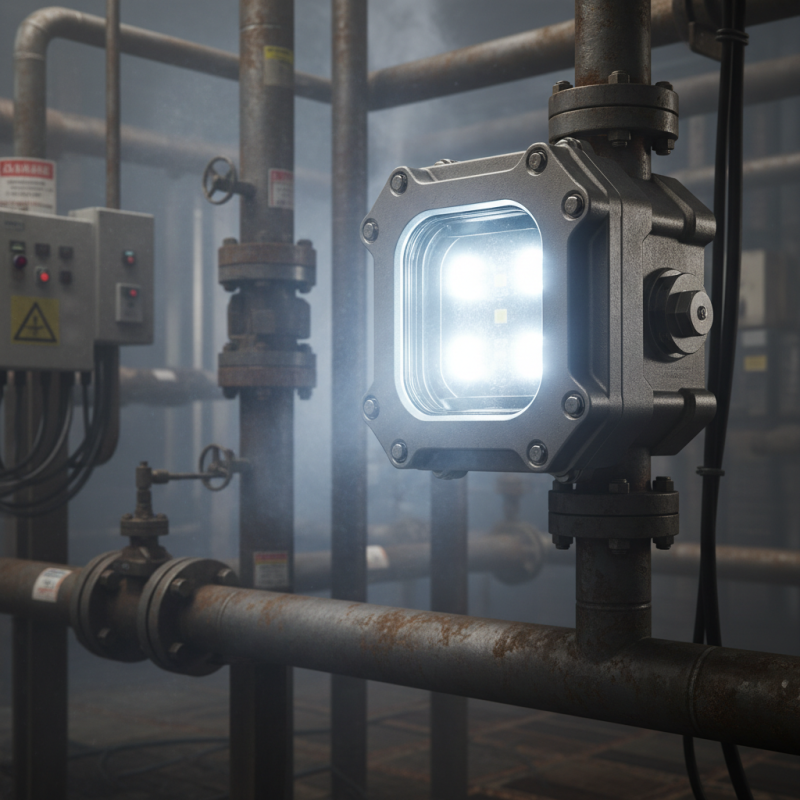
Choosing the right explosion-proof LED light requires understanding standards and ratings. This is critical for safety in hazardous environments. Explosion-proof lights are essential in industries like oil and gas, chemical manufacturing, and mining. The right choice can prevent accidents and protect lives.
When evaluating explosion-proof LED lights, consider directive standards such as ATEX and IECEx. These certifications indicate that a product is tested rigorously for safety. Ratings come from different classifications, which reflect the specific environment in which the light can operate safely. For instance, Zone 1 and Zone 2 ratings are common in industrial locations.
Tips to keep in mind: Look for lights with high ingress protection (IP) ratings. A rating of IP67 is ideal for dusty or wet environments. Also, check the temperature class, which affects how a light will perform in extreme conditions. It’s essential to consult professionals to ensure you’re selecting the right equipment for your needs. Always reflect on previous installations and their performance to make better, informed decisions.
| Feature | Description | Standard/Rating | Applications |
|---|---|---|---|
| Ingress Protection (IP) Rating | Measures the degree of protection against dust and water | IP65, IP66 | Oil refineries, chemical plants |
| Certification Standards | Certifies the light fixture for use in hazardous locations | ATEX, IECEx | Mining, waste treatment facilities |
| Lumens Output | Amount of light produced by the fixture | 5000 - 20000 lumens | Warehouses, construction sites |
| Temperature Class | Indicates the safe operating temperature of the fixture | T1 to T6 | Petrochemical industries, explosives handling |
| Mounting Options | Various options for installation based on application needs | Wall, ceiling, pendant | Manufacturing plants, outdoor environments |
When selecting explosion-proof LED lights, understanding hazardous locations is crucial. These areas require special classifications to ensure safety. Nationally recognized standards categorize hazardous locations into different classes, such as Class I for flammable gases and vapors, and Class II for combustible dust. Each class has specific requirements and guidelines. These distinctions help determine the suitable lighting solutions for different environments.
Recognizing the risks associated with each classification is essential. For example, Class I environments may include oil refineries or chemical plants. The lighting must withstand ignition sources and operate safely. Class II locations, such as grain silos, require lights that prevent explosive dust accumulation. Despite knowing these classifications, it is often a challenge to choose the right light fixture. Sometimes, professionals overlook details, leading to potential hazards. Evaluating environmental factors, like temperature and humidity, is also necessary for safe lighting options.
End users must understand their environment. Consultation with experts can clear misunderstandings. Some may believe that all LED lights are suitable, which is incorrect. Unsupported assumptions can expose workers to serious risks. Therefore, carefully assessing operational needs is vital in selecting truly safe lighting solutions.
This chart illustrates the brightness (measured in lumens) and energy efficiency (measured in watts) of various types of explosion-proof LED lights suitable for hazardous environments. The data helps in identifying the optimal choice for safety based on location classifications.
When choosing explosion-proof LED lights, understanding key features is crucial for safety. First, look for proper certifications. Lights should meet stringent industry standards. The National Electrical Code (NEC) and Underwriters Laboratories (UL) specify safety measures. Products certified as Class I, Division 1 or Class II, Division 1 can help mitigate risks in hazardous locations.
Another vital feature is durability. LED lights in explosive environments face challenging conditions. The IP rating indicates water and dust resistance. IP66 or higher ratings are ideal. Additionally, consider the materials used. Corrosion-resistant options extend lifespan and functionality. Aluminum housing often withstands harsh chemicals and impacts.
Brightness and energy efficiency also play significant roles. A report by the Department of Energy indicates LEDs consume 75% less energy than traditional bulbs. Proper lumen output ensures adequate lighting in tight spaces, minimizing shadows. However, excessive brightness can cause glare. Striking the right balance is important to enhance visibility without compromising safety. Remember, a well-lit area reduces accident risks significantly.
When evaluating energy efficiency, LED lights significantly outperform traditional explosion-proof lighting. A study from the Department of Energy indicates that LED lights use at least 75% less energy than incandescent bulbs. This reduction translates to lower operational costs, making LEDs economically sustainable over time.
The lifespan of LED lights is another crucial factor. LED fixtures can last up to 50,000 hours, compared to a typical incandescent light's 1,000 hours. This longevity reduces replacement costs and waste. However, it’s essential to consider the initial investment. While LEDs are often more expensive upfront, their efficiency and lifespan generally provide savings in the long run.
In terms of light output, LED lights maintain consistent brightness without flickering. However, some low-quality models may dim over time, which can lead to unsafe conditions in hazardous environments. Attention to the lumen output is necessary when selecting lighting solutions. Ensuring the right specifications is vital for maintaining safety standards in explosion-prone areas. Ultimately, the growing preference for LED technology reflects a shift toward sustainable practices.
When budgeting for explosion-proof LED lights, understanding the initial investment and long-term savings is crucial. According to the National Fire Protection Association (NFPA), improper lighting in hazardous areas can lead to severe accidents. A proper explosion-proof light can reduce risk and potentially save lives. However, the upfront cost can be high, ranging from $150 to $1,200 depending on specifications.
Consulting industry reports can shed light on cost-benefit analysis. A study by the U.S. Department of Energy indicates that LED lights consume up to 75% less energy than traditional bulbs. This translates to lower electricity bills, which can offset initial expenditures. Maintaining a budget that accommodates quality over price is essential. Cheaper alternatives often lack reliability and longevity, leading to increased maintenance costs later.
It's also vital to consider installation expenses. Certified professionals must install these lights to ensure compliance with safety regulations. According to the Bureau of Labor Statistics, safety non-compliance can incur fines that far exceed the cost of proper lighting. Each decision impacts the overall safety and financial well-being of a facility. Engaging with experts during the budgeting phase can lead to more effective outcomes.
: They are used in hazardous environments like oil, gas, and chemical manufacturing.
Look for certifications like ATEX and IECEx that ensure rigorous safety testing.
The IP rating shows water and dust resistance. Aim for IP66 or higher for harsh conditions.
Proper brightness reduces shadows, enhancing visibility and minimizing accident risks in tight spaces.
Energy-efficient LEDs consume up to 75% less power, which lowers electricity bills and can save money long-term.
Corrosion-resistant materials extend the lifespan of lights in explosive environments, improving functionality.
Poor lighting can increase accident risks, leading to severe safety issues and potential financial penalties.
Professionals ensure compliance with safety regulations and help select the right equipment for specific needs.
Evaluating previous setups can inform better decisions for improved safety and performance in future installations.
Factor in initial purchase price, long-term savings on energy, and installation costs to ensure safety and compliance.
When selecting an appropriate Explosion Proof LED light, understanding standards and ratings is essential to ensure safety in hazardous environments. These lights are classified based on the nature of potential explosions, and it's important to identify the specific hazardous locations by their classifications to comply with safety requirements. Key features to consider include durability, efficiency, and lumens output, which play crucial roles in providing reliable illumination without compromising safety.
Moreover, comparing energy efficiency reveals that Explosion Proof LED lights outperform traditional lighting solutions in both longevity and energy consumption. Conducting a cost analysis is also vital, as investing in high-quality explosion-proof lighting can contribute to budget-friendly safety measures in the long term. By carefully considering these factors, one can choose the right Explosion Proof LED lighting that meets safety standards while promoting efficiency and economy.
