When considering outdoor fixtures, the choice between materials can significantly impact durability and aesthetics. Many experts advocate for brass due to its resilience against harsh weather conditions. John Smith, a recognized authority in exterior design, emphasizes, “Brass offers unmatched longevity and style for outdoor applications.” This insight highlights a critical factor: why use brass instead of aluminum for outdoor fixtures?
Brass, composed of copper and zinc, is inherently more resistant to corrosion compared to aluminum. Its dense structure helps it withstand the elements. Aluminum may be lightweight, but it can easily succumb to rust and damage over time. Choosing brass means investing in lasting quality and distinctive design.
Moreover, the rich golden hue of brass enhances the overall visual appeal of outdoor spaces. While aluminum might seem more economical upfront, the long-term benefits of brass can outweigh initial costs. Adopting this material reflects a commitment to both functionality and style. It’s about making a choice that resonates with both practicality and aesthetic vision.
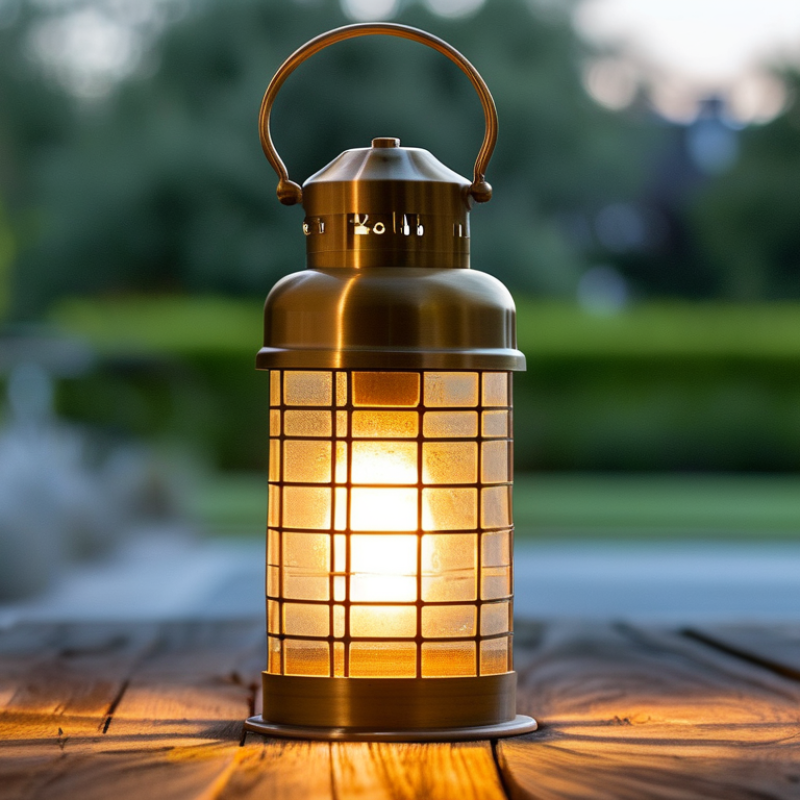
Benefits of Choosing Brass for Outdoor Fixtures
Brass is an excellent choice for outdoor fixtures due to its durability and aesthetic appeal. Unlike aluminum, brass can withstand harsh weather conditions without corroding. This metal ages beautifully, developing a patina that adds character to your garden or patio. Over time, brass remains resilient, resisting the fading and wear typical of aluminum.
When selecting outdoor fixtures, consider the benefits of brass. Its robust nature offers longevity. You'll find it doesn't require frequent replacements, saving you money in the long run. Moreover, brass fixtures can enhance the visual charm of your space. The warm tones of brass create a welcoming atmosphere, complementing natural surroundings beautifully.
Tip: Regularly clean brass fixtures to maintain their shine. Use mild soap and water, followed by a soft cloth. It’s easy, yet significantly improves the look of your outdoors.
Another aspect to consider is weight. Brass tends to be heavier than aluminum, which provides stability. Fixtures are less likely to be moved by strong winds. It's a practical choice for coastal areas, where salty air can quickly deteriorate aluminum.
Tip: If you prefer a polished finish, consider using a brass cleaner periodically. This small effort can keep your fixtures looking pristine. Remember, a little maintenance goes a long way in preserving beauty.
Durability of Brass vs. Aluminum in Outdoor Environments
When considering outdoor fixtures, the choice between brass and aluminum significantly impacts longevity and functionality. Brass offers superior resistance to corrosion, making it a reliable option for harsh weather conditions. This metal can withstand rain, snow, and UV exposure without deteriorating quickly. Its natural resistance to tarnishing allows it to maintain an attractive appearance over time.
On the other hand, aluminum may seem appealing due to its lightweight nature and lower cost. However, it can be prone to oxidation, leading to premature wear. In coastal areas, salt and humidity can further accelerate this process. Over time, aluminum fixtures might lose structural integrity, requiring more frequent replacements. Meanwhile, brass fixtures often need minimal maintenance and can endure the test of time.
There are concerns about brass, too. It can be more expensive upfront, which might deter some homeowners. Yet, investing in high-quality brass can pay off in the long run. The initial cost often balances out against the enduring performance. Overall, when evaluating durability, brass clearly stands out as the superior choice for outdoor fixtures.
Aesthetics: The Visual Appeal of Brass Fixtures
When considering outdoor fixtures, aesthetics play a crucial role.
Brass offers a timeless elegance that aluminum simply cannot match.
The warm golden hue of brass enhances the beauty of gardens and patios, creating a luxurious ambiance.
It naturally develops a unique patina over time, providing character and depth that many homeowners find appealing.
Aluminum, while lightweight and functional, lacks the rich visual presence of brass.
It's often seen as too utilitarian, falling short in terms of charm.
The way brass reflects sunlight can create stunning visual effects. Imagine a brass lantern glowing softly against the twilight sky—it's a striking image.
However, not all brass fixtures are perfect.
They can tarnish and require maintenance to maintain their shine.
Some may prefer the low upkeep of aluminum, despite its lesser aesthetic appeal.
Weighing the pros and cons is essential for making the right choice for your space.
Corrosion Resistance: How Brass Handles the Elements
Brass is often preferred over aluminum for outdoor fixtures, especially when considering corrosion resistance. According to a study published by the Corrosion Technology Association, brass outperforms aluminum in harsh environmental conditions. Brass contains zinc and copper, which increase its durability against moisture and salt. This is critical in coastal areas where aluminum can corrode quickly.
Aluminum, while lightweight and cost-effective, lacks this level of corrosion resistance. A report from the American Institute of Corrosion Prevention found that aluminum fixtures can degrade significantly when exposed to saltwater and high humidity. In contrast, brass maintains its integrity for years, even in challenging climates. The longevity of brass often leads to reduced replacement costs over time.
However, it's important to consider that brass can tarnish or develop a patina, impacting its appearance. This aesthetic change requires maintenance and care, which can be a drawback for some. While brass may demand more initial investment, its long-term performance can outweigh those costs. Ultimately, making an informed choice hinges on understanding the specific environmental challenges a fixture will face.
Cost Considerations: Brass vs. Aluminum for Long-Term Value
When considering outdoor fixtures, the material choice is crucial for longevity and cost-effectiveness. Brass, while initially more expensive than aluminum, provides significant long-term value. Data shows that brass fixtures can last up to five times longer than their aluminum counterparts. This impressive lifespan offsets the higher upfront costs, making brass a wise investment.
Aluminum, though lightweight and corrosion-resistant, may require replacement sooner due to environmental factors. Studies indicate that aluminum can show signs of wear and corrosion within just a few years, particularly in coastal areas. In stark contrast, brass withstands harsh weather, including rain and snow, without losing its structural integrity. This durability translates to fewer replacements and lower overall maintenance costs.
However, the initial price of brass is often a deterrent for budget-conscious buyers. While it may lead to higher short-term spending, the savings over time are indisputable. Homeowners should evaluate the cost-benefit ratio carefully. Investing in brass provides a guarantee of quality, longevity, and aesthetic appeal, which could ultimately enhance property value. Making the right choice now can yield substantial benefits for years to come.
FAQS
: Brass offers durability and aesthetic appeal. It withstands harsh weather without corroding.
Brass develops a beautiful patina over time, adding character. Aluminum fades and wears out faster.
They need regular cleaning with mild soap and water. Minimal maintenance keeps them looking great.
Yes, brass typically has a higher upfront cost. However, it lasts longer, saving money over time.
Brass is heavier, providing stability. It is less likely to be moved by strong winds or storms.
Yes, brass withstands salty air better than aluminum, which can corrode quickly in those environments.
Brass has a warm, golden hue that enhances outdoor beauty. It creates a luxurious ambiance compared to aluminum.
Brass can tarnish and requires maintenance. Some may prefer aluminum for its low upkeep, despite its aesthetic limitations.
Conclusion
When considering outdoor fixtures, a common question arises: why use brass instead of aluminum? Brass offers several key benefits that make it a preferable choice. Firstly, its durability is significantly greater than aluminum’s, allowing it to withstand harsh outdoor environments without deteriorating. This longevity translates to better long-term value, as brass fixtures typically require less frequent replacement.
Aesthetic appeal is another advantage of brass. Its warm, rich tones add a touch of elegance and sophistication to any outdoor setting, enhancing the overall visual appeal. Additionally, brass has superior corrosion resistance, ensuring it withstands various weather conditions without succumbing to rust or degradation. While the initial cost of brass may be higher than aluminum, its durability and aesthetic qualities make it a more worthwhile investment over time.
 Uvily Light
