Uvily Light
As the holiday season approaches, homeowners look for ways to enhance their outdoor ambiance. One of the most popular trends is integrating music with outdoor lighting. Learning how to sync outdoor lights to music for holidays can transform your space into a festive wonderland. This technique creates an engaging experience for family, friends, and neighbors, turning simple gatherings into memorable celebrations.
By using specific equipment and software, you can choreograph your lights to flash and change according to the rhythm of your favorite holiday tunes. However, the process can be tricky, and not all setups produce the desired effect. Experimentation is key. You may need to troubleshoot connections and sync issues. Not every device works seamlessly with every song. Finding the right combination often requires patience and a bit of creativity.
Regardless of the challenges, the end result can be breathtaking. Imagine lights dancing in sync with classic carols or modern holiday hits, creating a captivating atmosphere. This guide will explore the best methods and tools available for syncing your outdoor lights to music, ensuring your holiday displays stand out in your neighborhood.
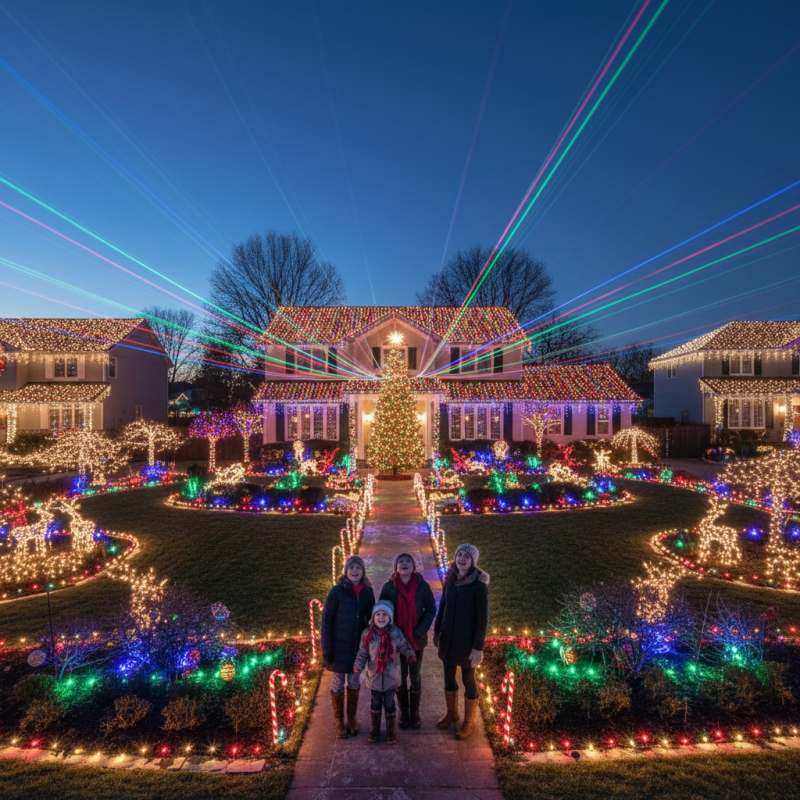
Syncing outdoor lights to music can transform your holiday celebrations into a dazzling spectacle. Understanding the basics of this process helps you get started. According to a recent report, 68% of homeowners are eager to incorporate music and lights into their seasonal decorations. This growing trend reflects the desire for more engaging and vibrant displays.
To sync lights to music, you need an appropriate controller. The most common method involves using a software program. These programs allow you to create light sequences that correspond to musical beats. Some users opt for simple setups while others strive for intricate designs. Achieving the perfect sync can be challenging. Lag between music and light can frustrate beginners. It often requires practice and troubleshooting.
Additionally, a comprehensive survey shows that 45% of participants faced difficulties in setup. Choosing the right lights is equally important. Not all lights respond well to music. Striking a balance between aesthetics and functionality can be tricky. Tech-savvy individuals might experiment with various systems, but it’s essential to stay realistic about capabilities. Perfect syncing is an art that requires patience.
This chart illustrates the most popular methods for syncing outdoor lights to music during the holiday season in 2026. The data reflects the percentage of users opting for each method.
When choosing equipment for musical light synchronization, consider the essential components that influence performance and compatibility. A key element is a controller that can handle multiple channels. According to a report from the National Association of Home Builders, about 30% of homeowners now seek smart technology for outdoor lighting. This trend reflects the growing interest in immersive holiday displays.
Wireless connectivity is crucial for creating synchronized displays. Wireless DMX technology is gaining popularity due to its reliability and ease of setup. Current studies suggest that nearly 40% of light shows use this technology to enhance the user experience. However, the lack of standardized protocols may lead to frustrations and mismatches in performance.
Choosing appropriate lights is also important. LED lights are preferred for their energy efficiency and vibrant colors, but not all are created equal. A recent lighting industry report stated that over 50% of consumers find programmable RGB LEDs the most visually appealing. Yet, compatibility issues can arise when mixing different brands or types. This highlights the need for careful planning and careful selection of products.
Setting up outdoor lights to sync with music can create an enchanting holiday atmosphere. To achieve this, begin by selecting the right type of lights. LED lights are energy-efficient and long-lasting, making them a popular choice. According to a recent report, LED lights can save up to 75% in energy costs compared to traditional incandescent bulbs. This not only reduces your electricity bill but also lessens environmental impact.
After choosing the lights, consider the music synchronization options. Many people opt for smart controllers that enable sound-activated features. This could be a challenge for some. Aligning your light patterns with music beats may require trial and error. Experimenting with different rhythms and settings will make your display unique. Visuals that dance in sync with music can enhance the overall experience, but getting it right might take time.
It’s vital to ensure safety while setting up outdoor displays. Secure all wiring and check for weatherproof ratings. Many accidents occur due to negligence in installations. Ultimately, a well-executed light display can transform your outdoor space, bringing joy to your family and neighbors. Yet, perfection is not always achievable on the first try. Adjusting and reworking your setup is part of the learning process.
When it comes to synchronizing outdoor lights with music for the holidays, various software solutions present diverse options. Some of these programs enable users to create custom light displays that dance rhythmically to the beat of the music. For example, software like light show generators can translate audio signals into visual cues for your lights. This process can bring a festive atmosphere to any holiday gathering. However, mastering the software's capabilities may take some practice, which can be a barrier for many.
Additionally, there are applications designed specifically for managing light arrangements. These platforms often provide user-friendly interfaces. However, they may have a learning curve that requires time and experimentation. Each software has its unique features and limitations, which can affect how lights synchronize. Setting up different lighting fixtures can also pose challenges, as not all devices may be compatible. Think about the types of lights you wish to use and whether the software can accommodate them.
Finding the right balance between creativity and technical ability is crucial. User reviews often highlight both positive and negative experiences. Some users may feel overwhelmed by the options, while others celebrate the creative freedom these tools offer. It's a learning journey that encourages experimentation. Reflecting on what worked and what didn't can lead to improved results for future displays.
Lighting up your holiday display with music-synced outdoor lights can create a magical atmosphere. These lights can dance to your favorite tunes, bringing joy to families and passersby. Consider using a variety of lights, such as LED strings and projectors, to enhance visual appeal. Experimentation is key—don’t hesitate to adjust the settings to achieve the desired synchronization.
One tip is to choose festive music that resonates with your theme. Classic carols or upbeat pop songs can set the mood. Try layering different types of lights to create depth. For example, wrap trees with twinkling lights while using spotlights to highlight decorations. This adds dimension to your display.
Keep in mind that not all lights work perfectly with every type of music. If some sequences feel off, reassess how the lights sync with your chosen tracks. It might be frustrating, but small tweaks can greatly improve the overall experience. Ultimately, create an enchanting yet imperfect display that can evolve each season, giving you something to look forward to year after year.
: You need a suitable controller and software to create light sequences that match musical beats.
Many beginners struggle with lag between music and lights, making syncing frustrating and difficult.
Not all lights respond well to music, so it’s essential to balance aesthetics and functionality.
A controller with multiple channels and lights that are compatible and responsive to music are essential.
Wireless DMX technology is popular for its reliability, allowing easier setups for synchronized displays.
Various software programs let users create custom light displays that react to music, but mastering them takes time.
Consider user-friendly applications but be prepared for a learning curve and compatibility issues with different lights.
Think about what methods worked, what didn't, and how you can adjust for more successful future displays.
Mixing different light brands can lead to compatibility issues, so careful planning is vital for successful synchronization.
Achieving perfect synchronization is challenging and requires patience, practice, and sometimes trial-and-error.
In the festive spirit of the holidays, many homeowners seek to enhance their outdoor displays by syncing lights to music. The article titled "2026 Best Ways to Sync Outdoor Lights to Music for Holidays" provides a comprehensive guide on how to sync outdoor lights to music for holidays effectively. It starts by explaining the fundamentals of musical light synchronization, ensuring that readers grasp the essential concepts before diving into the technical aspects.
The guide further delves into selecting the appropriate equipment tailored for light synchronization, followed by a detailed step-by-step setup process. Additionally, the article explores various software solutions that can facilitate this synchronization, presenting a range of creative ideas to incorporate music-synced lights into holiday displays. By following the outlined steps and leveraging the right tools, anyone can create a dazzling holiday atmosphere that captivates neighbors and family alike.
