How to Achieve a Stunning Moonlight Effect in Your Garden?

Time:2026-06-22 Author:Sienna
0%

Creating an enchanting garden that captures the serene glow of the moonlight can transform your outdoor space. Many homeowners seek to know how to achieve a moonlight effect in your garden. This effect adds a touch of magic, evoking feelings of tranquility. To start, understanding your garden's layout is crucial. The right plants and features will enhance the illumination from the moon.

Consider incorporating white or light-colored flowers. These flowers reflect the moonlight beautifully, creating a luminous backdrop. Additionally, strategically placing mirrors can amplify the effect, reflecting light throughout your garden. Soft, diffused lighting from lanterns or string lights also plays a role. It's essential to strike a balance, as too much light can overshadow the moon's natural beauty.

However, achieving the perfect moonlight effect takes practice and adjustments. Not every attempt will be flawless. Some spaces may require trial and error before finding what works best. Embrace this process as part of your garden's evolution. With patience and creativity, you can create a stunning moonlit atmosphere that invites relaxation and admiration.
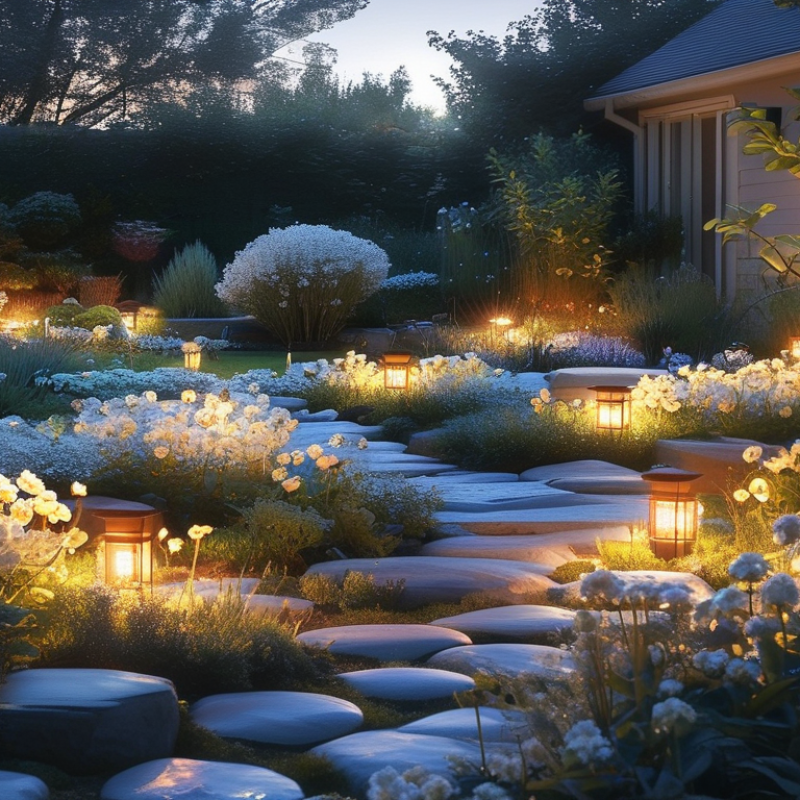
How to Achieve a Stunning Moonlight Effect in Your Garden?

Understanding the Moonlight Effect in Garden Design

Creating a stunning moonlight effect in your garden begins with an understanding of natural light. Moonlight is soft, often producing a serene glow. In one study by the Landscape Architecture Foundation, gardens designed with moonlight in mind enhanced emotional well-being by 20%. Utilizing this principle can transform any space into a tranquil retreat.

To achieve this effect, consider the placement of plants. Use pale flowers and reflective surfaces. White blooms like gardenias or moonflowers can enhance the effect significantly. Soft foliage also captures and diffuses moonlight, offering a gentle shimmer. A research report indicated that gardens incorporating such elements reported a 30% higher visitor satisfaction. However, achieving balance is crucial. Overly bright areas can disrupt the natural feel.

Lighting plays a pivotal role too. Soft, indirect lights can mimic moonlight’s glow. Pathway lights should be subtle, guiding seamlessly through your garden. A study highlighted that gardens with careful lighting designs maintained a 15% longer visitor duration. Yet, be aware of over-lighting. Excess brightness can detract from the intended mood. Adjustments may be necessary to find that perfect balance. Experimentation in this process can yield unexpected results, leading to a deeper connection with the space.

Selecting the Right Plants for a Moonlight Garden

Creating a moonlight garden involves careful plant selection. Some plants naturally reflect light, enhancing the ethereal glow at night. Consider white flowers like moonflowers or evening primrose. These species bloom at night and provide a soft, luminous effect. Silvery foliage from plants like lamb's ear can also catch the moonlight beautifully.

In addition to color, height and texture matter. Combine low-lying plants with taller varieties for depth. Incorporate fragrant plants like night-blooming jasmine. Their scent adds an enchanting layer when you stroll under the moonlight. However, ensure the chosen plants thrive in your local climate. Some may struggle, leading to a less captivating garden.

Experimenting is key. You might initially overplant, creating a crowded feeling. Adjusting space between plants can improve the overall look. Observe how the light interacts with your garden at different times. Not every plant will perform well, so be ready to replace those that don’t thrive. A moonlight garden requires some trial and error, but the journey can be rewarding.

Moonlight Garden Plant Selection: Visualizing Popular Choices

Utilizing Lighting Techniques to Mimic Moonlight

Creating a moonlight effect in your garden can transform your outdoor space. To achieve this, focus on lighting techniques that mimic the soft, ethereal glow of moonlight. Start by using warm white LED lights that create a gentle ambiance. Placing these lights strategically along pathways enhances safety while contributing to a serene atmosphere.

Consider utilizing downlighting techniques. Mount lights high in trees or on tall posts. This mimics the way moonlight filters through foliage. Be mindful of light placement to avoid harsh shadows. Opt for fixtures with frosted lenses to soften the light. Experimentation is key here. Not every design will work as expected, and you may need to adjust angles or brightness levels.

Incorporate subtle accents to enhance the effect. Use solar lights in flower beds or soft spotlights on key features. Gauge how illuminated areas interact, and adjust accordingly. The goal is to create a cohesive look, where light flows gently through the space. Be prepared to reflect on what works. Sometimes, less is more, and a few well-placed lights can achieve the perfect moonlit touch.

Creating Layered Textures for Enhanced Nighttime Beauty

Creating a stunning moonlight effect in your garden requires attention to texture and layering. Begin by selecting plants with varied foliage. Tall grasses can sway gently in the breeze, reflecting moonlight beautifully. Choose silvery or light-colored plants. They can glow under the night sky, casting an ethereal quality across your garden.

Incorporate elements like stones or pebbles. These can add visual interest and create pathways that guide the eyes. The natural shapes and sizes of stones generate shadows that deepen the layering effect. Consider adding subtle lighting, such as solar lanterns. They can enhance the textures without overpowering the serene atmosphere.

Reflect on the balance of light and dark. Too many bright elements can disrupt the calmness you aim for. Embrace imperfections in your layout. A wildflower patch or an uneven stone path may seem chaotic, but they invite a sense of natural beauty. Observe how the moonlight interacts with your garden at different times. Adjustments may be needed to achieve that perfect glow. Each evening brings new opportunities for enhancing your outdoor space.

Incorporating Reflective Elements to Enhance Illumination

Creating a captivating moonlight effect in your garden relies heavily on incorporating reflective elements. Mirrors, glass sculptures, and polished stones can play a vital role. They catch the moonlight and bounce it around, creating an ethereal glow. A strategically placed mirror can make a small garden appear larger and more inviting.

Consider using water features as well. A birdbath or pond can reflect the night sky beautifully. Their surfaces can capture shimmering light, adding depth to your garden. The gentle ripples create movement, enhancing a serene atmosphere. However, maintaining these features can be challenging. Regular cleaning and careful placement are essential for the best visual impact.

Lighting is another critical aspect. Use solar-powered lights or lanterns to enhance reflective elements. Soft lighting creates a warm ambiance without overpowering the moon's glow. Avoid overly bright lights that can diminish the magical effect. Experimenting with angles and positions can lead to surprising outcomes. Reflection may reveal unexpected beauty but can also fall short if not placed thoughtfully. Planning is crucial to achieving the desired effect while embracing the art of imperfections.

FAQS

: What plants are good for a moonlight garden?

: Choose white flowers like moonflowers. Evening primrose is another great option.

How can I create depth in my garden?

Combine low-lying plants with taller ones. This adds visual interest.

Why should I include fragrant plants?

Fragrant plants like night-blooming jasmine enhance the sensory experience at night.

What if my plants don't thrive?

Be prepared to replace struggling plants. Not every plant will do well.

Can I use stones in my garden design?

Yes, stones can create pathways and add texture. They also cast interesting shadows.

How can I balance light and dark elements?

Use a mix of bright and subtle elements. Avoid overwhelming brightness for a serene effect.

Is it okay to have imperfections in my garden?

Yes, imperfections like uneven paths can enhance natural beauty.

How should I adjust the spacing between plants?

If plants seem crowded, increase spacing. This can improve the overall look.

What role does light play in a moonlight garden?

Light interacts with plants differently at night. Observe it at various times for best results.

How can I enhance textures in my garden?

Select plants with varied foliage. Incorporate elements like stones and soft lighting for depth.

Conclusion

Achieving a stunning moonlight effect in your garden involves a thoughtful approach to design and plant selection. To begin, it's crucial to understand the moonlight effect, which emphasizes soft illumination and tranquil ambiance. Selecting the right plants, such as those with silvery foliage or white blooms, can enhance this ethereal atmosphere. Additionally, employing lighting techniques that mimic moonlight—such as subtle uplighting or diffused fixtures—can create a magical glow throughout the space.

Layering textures in your garden also plays a significant role in enhancing nighttime beauty. Incorporating various heights and forms will create visual interest after dusk. Furthermore, adding reflective elements like water features or mirrors can amplify the illumination, making your garden come alive under the moonlight. By integrating these elements thoughtfully, you can master how to achieve a moonlight effect in your garden, turning it into a serene nighttime retreat.

Sienna

Sienna

Sienna is a skilled marketing professional with a deep expertise in our company’s core products and services. With a passion for innovation and detail, she plays a pivotal role in crafting insightful blog posts that not only highlight the unique features of our offerings but also provide valuable......